Siem Reap Rainy Season Honest Guide to Travel Better with Wet-Season Tips
Simple wet-season Green season tips, smart tour picks, and easy packing notes!
Siem Reap Rainy Season is a smart time to visit if you want green temple views, lower prices, and quieter days at Angkor. This guide shows you how to plan around short showers, pick the right tours, and enjoy Siem Reap Green Season with less stress and more comfort. Read on if you want a trip that feels easier, calmer, and more memorable.
Smart temple timing, wet-season tour ideas, and honest advice for enjoying Siem Reap Green Season!
Siem Reap Rainy Season is not a bad time to visit at all—it is often the smarter time to come if you want greener landscapes, fewer crowds, and better value. I usually recommend it to travelers who care more about atmosphere, photos, and a calmer pace than perfect all-day sunshine. The rain is real, yes, but it often comes in bursts rather than ruining every hour of your day.
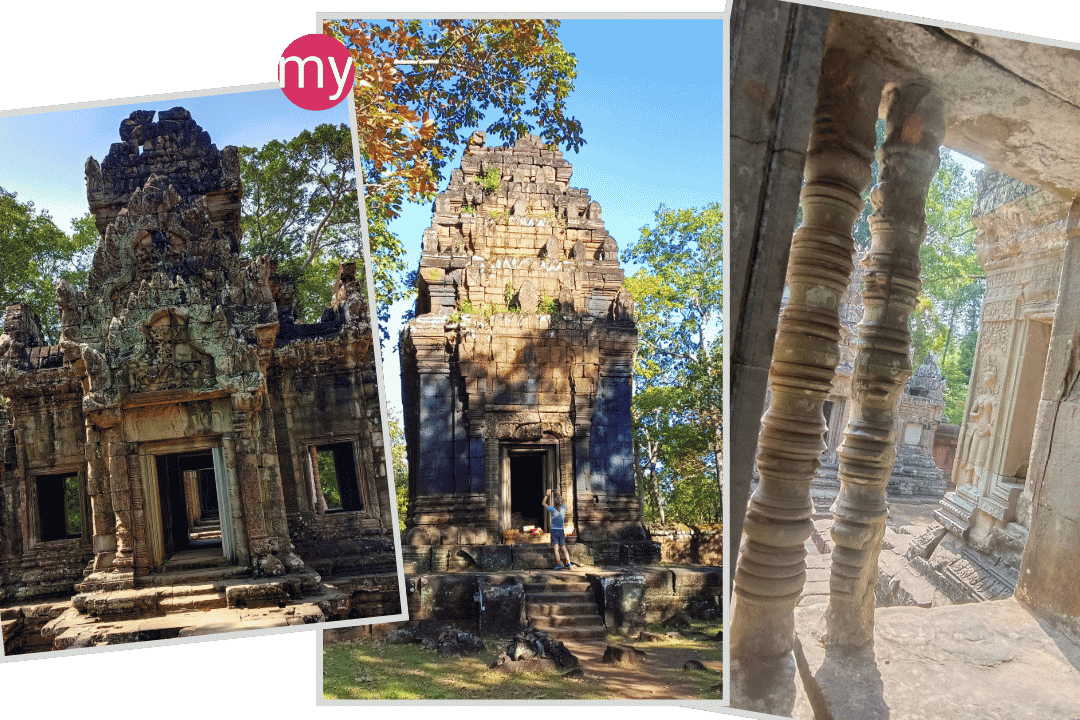
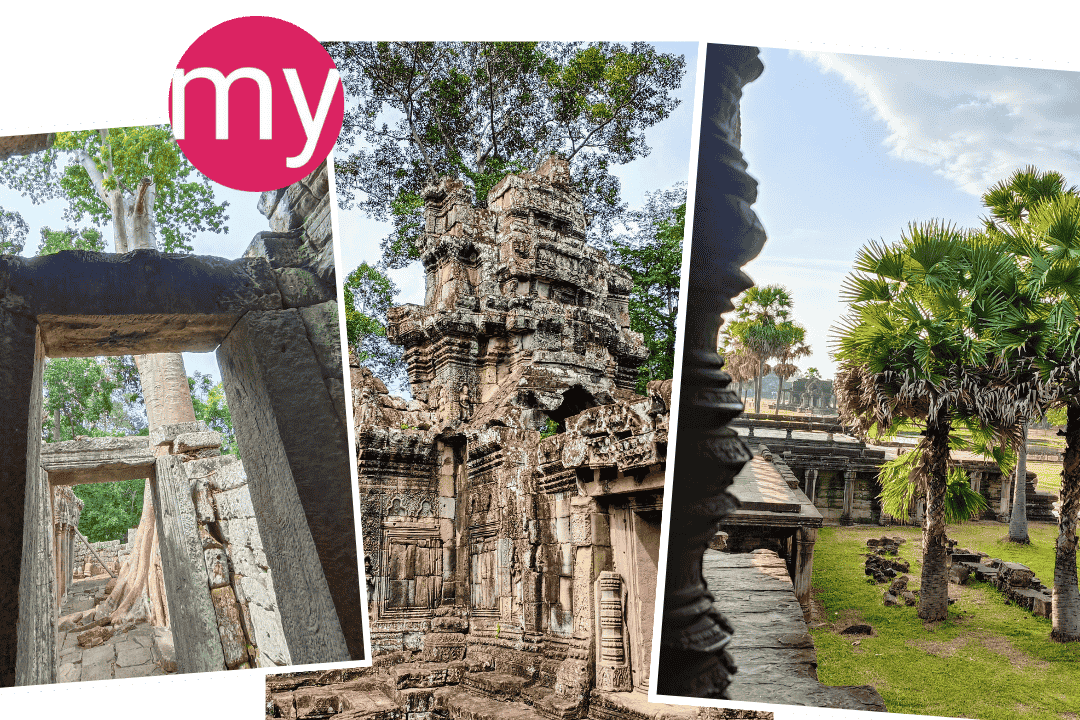
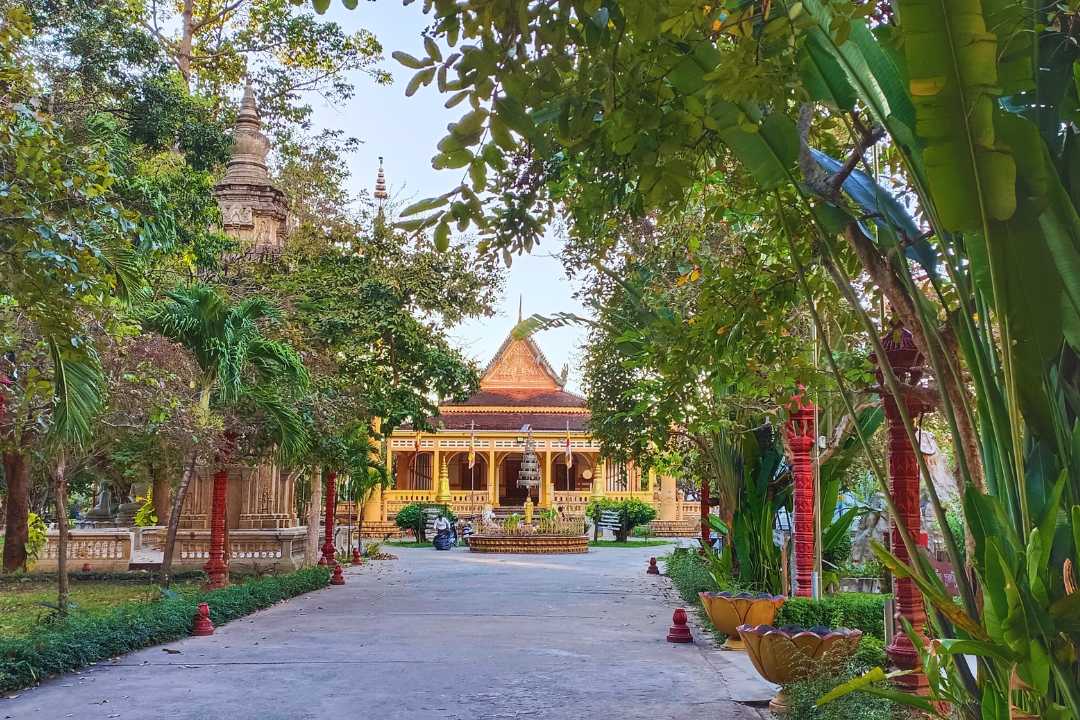
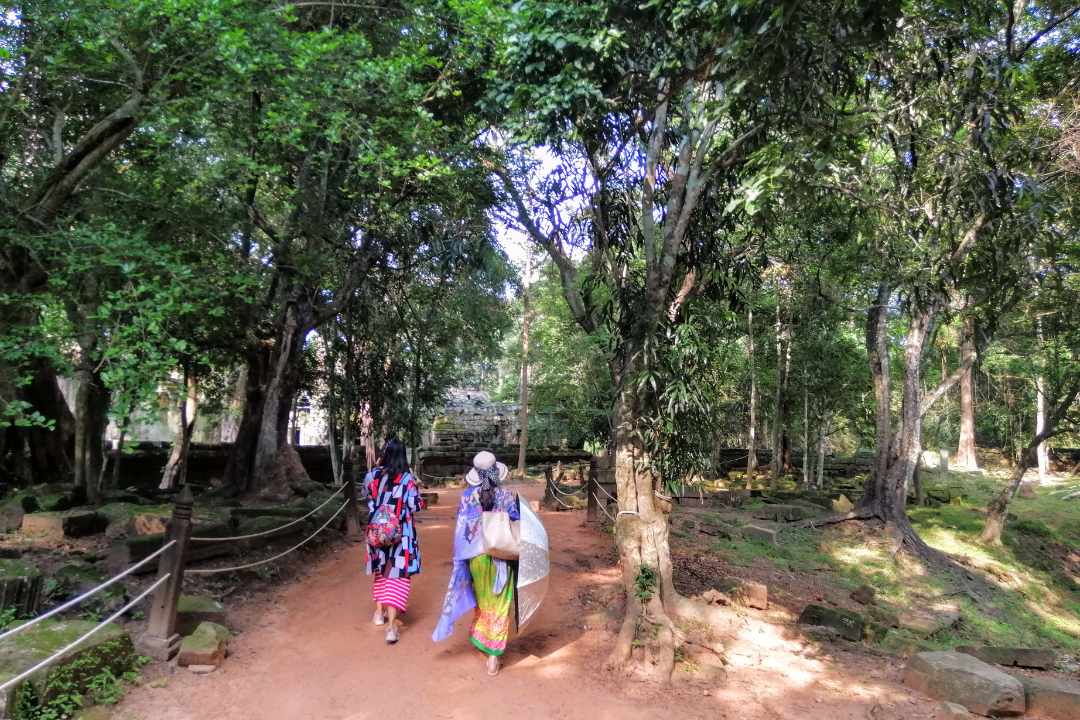
This is also the period many travelers call Siem Reap Green Season, because the temples, moats, rice fields, and floating village scenery look dramatically better. If you plan your temple timing well and choose the right tours, wet season can feel less stressful and more memorable than peak dry season.
Siem Reap Rainy Season can give you greener temple views, easier touring, more breathing room, and some of the most beautiful water-based experiences of the year.
Key insights
- May to October is the wet season window most travelers mean
- September and October are often the lushest-looking months
- Some hotels and flights can be 30% to 50% lower in Green Season
- Official Angkor pass entry hours are 5:00 AM to 6:30 PM
- High water season can make Kampong Phluk and Tonle Sap feel extra special
Is Siem Reap Rainy Season actually a good time to visit?
Yes—if you want greener temples, lighter crowds, and a trip that feels more relaxed than the classic dry-season rush.
I’ll put it simply: Siem Reap Rainy Season is good for more people than travel forums admit. If you hate standing in temple queues, paying high-season rates, and baking in hard sunlight by 11:00 AM, wet season can be a very smart move.
The biggest surprise? Rainy season in Siem Reap rarely means nonstop rain from breakfast to bedtime. More often, you get humid mornings, changing skies, and short heavy showers that reset the air. That changes how I plan a day, but it does not stop me from planning one.
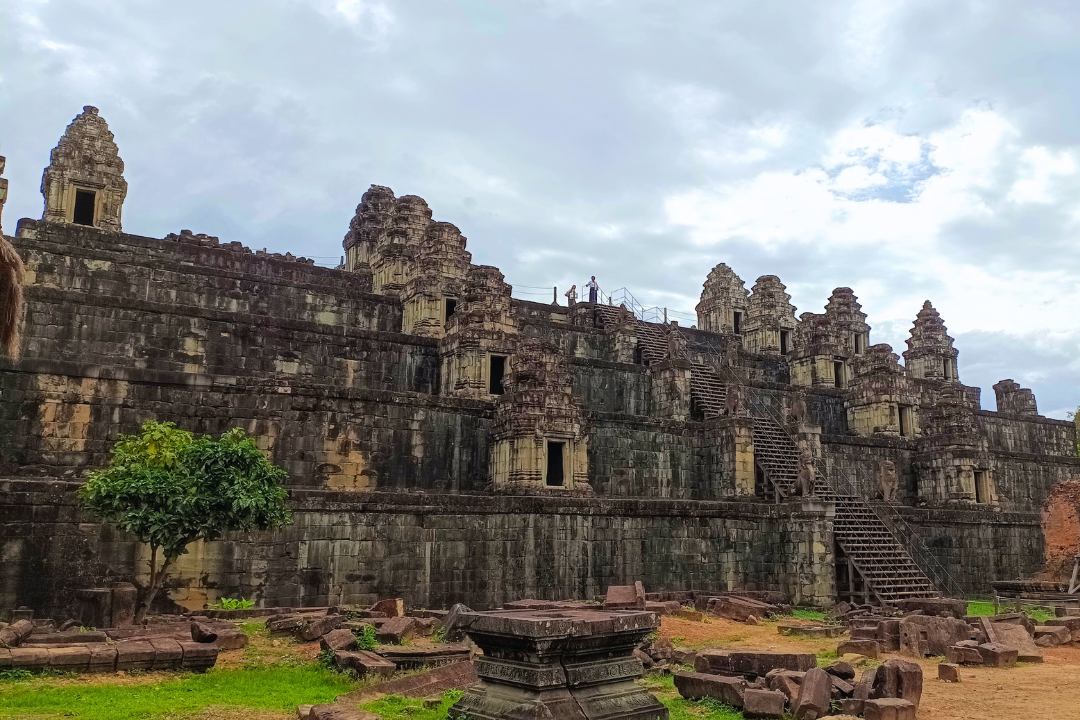
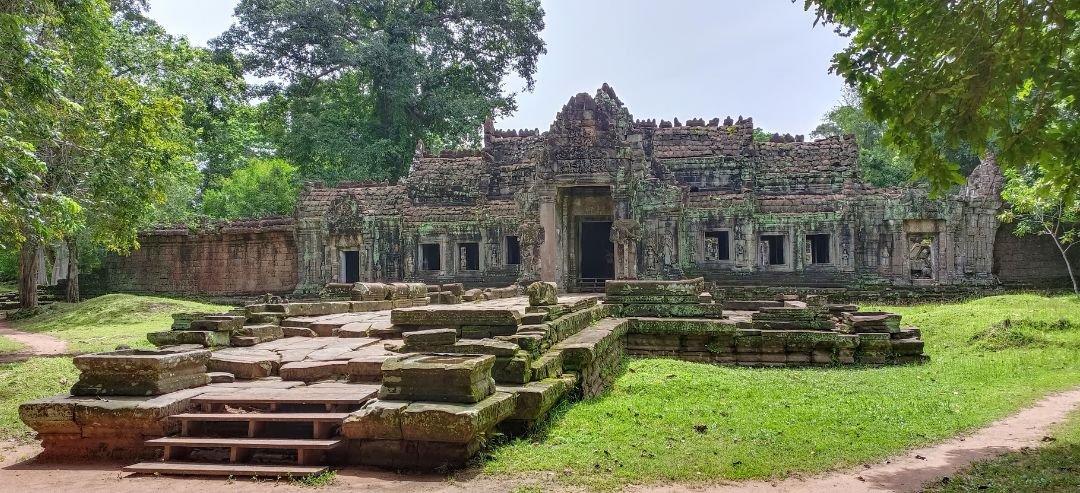
And visually, this is when Angkor gets its edge back. The stones darken. The moss wakes up. The trees look alive again. Moats, ponds, and rice fields hold water. It feels less dusty, less harsh, more cinematic. That is exactly why Siem Reap Green Season has become the friendlier name for the same period.
| Period | What it usually feels like | Best for |
|---|---|---|
| May to July | First real rains, greener scenery, fewer crowds | Flexible first-time visitors |
| August to September | Wetter, moodier skies, lush temple surroundings | Photographers and slow travelers |
| September to October | Peak green look, stronger water scenes, dramatic clouds | Floating villages and atmospheric temple days |
What does Siem Reap Green Season really mean?
It means the wet months can be the prettiest months—not the “worst” months.
I like the phrase Siem Reap Green Season because it tells the truth better than “monsoon season.” You are not just signing up for rain. You are signing up for greener rice fields, fuller reservoirs, more dramatic skies, and a softer overall pace.
That matters because so many travelers still picture Cambodia in the wet months as messy or inconvenient. Sometimes it is inconvenient. Sure. Roads can be slower. Shoes get dirty. You may need to swap a tuk-tuk for a car on a stormy day. But the payoff is real.
Here is the short version of why many smart travelers prefer it:
- Fewer crowds at the major temples
- Better-looking landscapes around Angkor Wat, Ta Prohm, and outer temples
- More atmosphere at Tonle Sap and Kampong Phluk
- Better value, with some Green Season offers described as 30% to 50% lower on flights and hotels
- A less frantic experience overall
That last point matters more than people think. A trip can be technically “easier” in dry season, but it can also feel louder, hotter, and more packed. I’d rather have one sharp shower and a quiet temple than full sun and tour-bus chaos.
How should you plan Angkor temple days in the Siem Reap Rainy Season?
Build around flexibility: one smart pass, one weather buffer, and one touring style that does not fight the sky.
This is where people either win or lose their trip. In Siem Reap Rainy Season, you do not need perfect weather. You need flexible timing.
My rule is simple: keep the important temple visits in the morning or in a well-paced late-start format, and leave one part of the day loose. That way, if rain rolls in, you are adjusting—not panicking.
The official Angkor Enterprise ticket portal is the place to check pass details. The official site lists 1-day, 3-day, and 7-day passes, with Angkor Archaeological Park entry running from 5:00 AM to 6:30 PM. If you are visiting during Siem Reap Rainy Season, I usually think the 3-day pass gives you the best breathing room because it reduces pressure. You do not have to cram everything into one weather gamble.
My favorite wet-season planning logic
- Pick one headline temple block each day
- Keep afternoons lighter or flexible
- Use a car when the forecast looks messy
- Don’t stack remote sites and rigid timing on the same day
- Leave room for a coffee break, lunch break, or rain break without feeling behind
Best fit if you want the easiest Angkor day
If you hate 4:30 AM alarms, the Angkor Wat tour with late start makes a lot of sense in wet weather. You skip the sunrise scramble, enjoy breakfast, and still get a strong temple day with less pressure.
Best fit if you want a fuller Siem Reap trip
If you want a bigger, more current multi-day option rather than forcing everything into one packed day, I’d look at the Angkor Wat 5 day 4 night itinerary. It is especially interesting in Green Season because the itinerary includes Kampong Phluk and a Tonle Sap boat experience that benefits from higher water levels.
Which tours make the most sense in wet weather?
The best rainy-season tours are the ones that stay flexible, reduce friction, and actually use the season instead of fighting it.
This is where I’d be practical. During Siem Reap Rainy Season, I don’t just look at “what is popular.” I look at what becomes better because of the season.
| Tour | Why it works in rainy season | Best for |
|---|---|---|
| Angkor Wat 5 day 4 night itinerary | Mixes temple days with Kampong Phluk and high-water scenery | Travelers wanting a fuller Siem Reap stay |
| Angkor Wat tour with late start | Easier pacing, less rushed, great if mornings are cloudy or wet | Couples, families, slow travelers |
| Koh Ker and Beng Mealea guided tour | Remote jungle temples look even more atmospheric in lush season | Photographers and repeat visitors |
| Phnom Penh to Siem Reap tour | Smooth overland route with sightseeing and a floating village finish | Travelers combining two major cities |
| Cambodia tour 7 days with Phnom Penh and Siem Reap | Private pacing and broad coverage without feeling too rushed | First-time Cambodia travelers |
One more honest point: Siem Reap Rainy Season is especially good for travelers who want variety. If you only care about a single postcard sunrise and nothing else, dry season may still be your better bet. But if you care about temples, village life, road-trip scenery, and a more textured Cambodia trip, wet season starts looking very attractive.
What should you pack for the Siem Reap Rainy Season?
Pack light, dry-fast, and smarter than usual.
I see the same packing mistake again and again—people bring heavy clothes for “rain” when they should be packing for humidity plus showers.
Here’s what I’d personally bring for Siem Reap Rainy Season:
My non-negotiables
- A thin rain jacket or compact poncho
- Quick-dry shirts instead of thick cotton
- One pair of sandals with grip and one pair of lightweight walking shoes
- A small dry bag or zip pouch for phone, passport copy, and cash
- A second pair of socks in your day bag
- A tiny umbrella for city use
- Mosquito repellent
- Temple-friendly clothing that still dries fast
And yes—bring a plastic bag or waterproof pouch for electronics. Not glamorous. Very useful.
What mistakes do travelers make in the Siem Reap Rainy Season?
Most wet-season problems come from dry-season planning.
This is the part where I get slightly opinionated. Siem Reap Rainy Season does not punish you for visiting. It punishes you for pretending it is January.
The most common mistakes I see are:
Booking every hour too tightly
If one shower makes your whole day collapse, the itinerary was too rigid.Choosing open transport for every trip
Tuk-tuks are fun, but on stormy days an air-conditioned car is worth every dollar.Forcing sunrise every time
Some wet-season mornings are beautiful. Some are gray. A late-start plan can be the better choice.Only doing headline temples
Outer routes, floating villages, and remote temple days often shine more in Green Season.Ignoring footwear
Slippery steps at temples are not theoretical. Pack shoes with grip.Underestimating travel time
A little rain can make transfer times feel longer, especially if you are changing cities.
Can you combine Siem Reap with Phnom Penh or remote temples in the wet months?
Yes—and if you plan it well, the whole trip can feel richer, greener, and less touristy.
I actually like multi-stop Cambodia itineraries in the wet months because the countryside looks more alive. Ponds fill up. Fields brighten. The road scenery becomes part of the trip instead of just the gap between attractions.
If you want a simple one-way route, the Phnom Penh to Siem Reap tour is useful because it avoids backtracking and includes cultural stops on the road. If you want a more complete first-timer route, the Cambodia tour 7 days with Phnom Penh and Siem Reap gives you a calmer, broader structure.
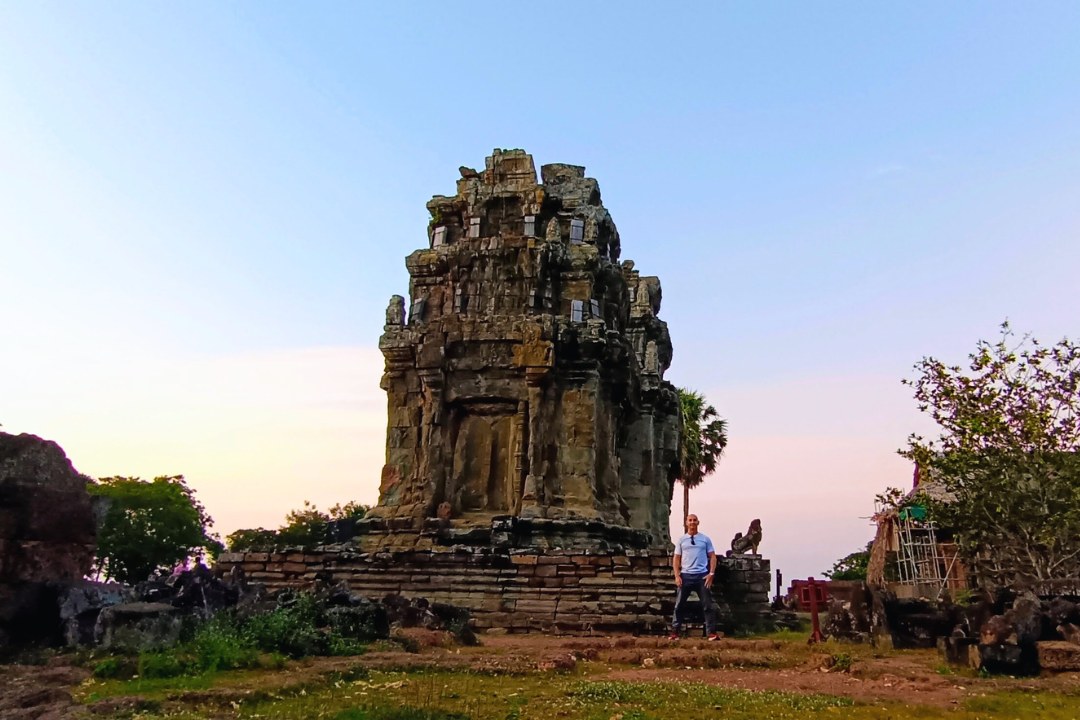
And if you’ve already seen the classic Angkor names? I’d seriously consider the Koh Ker and Beng Mealea guided tour. In the wet months, those jungle-wrapped ruins can feel almost unreal—in the best way. Less polished. More dramatic. More story.
So what should you do next if Siem Reap Rainy Season sounds right for you?
Choose your trip style first, then match your pass, transport, and tour pace to the season.
If I were planning this for myself, I’d do three things right away.
First, I’d decide whether I want a short temple-focused trip or a broader Cambodia route. Second, I’d check the official Angkor Enterprise pass options and avoid overstuffing a single day. Third, I’d book a tour style that gives me room to adjust when the weather shifts.
My honest take? Siem Reap Rainy Season is underrated because too many people only imagine inconvenience and miss the upside—greener temples, calmer roads, better photos, and water-based experiences that simply work better in this part of the year. If that sounds like your kind of trip, the next smart step is to talk through your dates and travel style before you lock anything in.
If you want help choosing the right route, message the team through the My Siem Reap Tours contact page. Tell them how many days you have, whether you prefer sunrise or late starts, and whether you want just Angkor or a wider Cambodia itinerary. That will get you to the right plan much faster.
Relevant resources from My Siem Reap Tours
Brought to you by Dan and Mat, Your tour planners.
Featured
Explore more on My Siem Reap Tours
Koh Ker and Beng Mealea guided tour | Banteay Srei temple guided tour | Angkor Wat Sunrise tour | Private Angkor Wat Sunset Tour | Koh Ker and Beng Mealea guided tour | Morning Siem Reap floating village tour | Afternoon Siem Reap floating village tour | Private Angkor Wat special tour | Kulen Waterfall small group guided Tour | Private Angkor Wat mix temples photo tour | Exclusive Siem Reap Artisans Tour with Apsara Dinner | Siem Reap Airport Transfer Bus V.I.P. | Angkor Wat Sunrise and Sunset