Kampong Phluk feels very different in the dry season and the green season

See the right season fast so you book the boat ride, mangroves, light, and village feel that match your trip.

I break down water level, stilt-house views, boat access, timing, and the two Kampong Phluk tours I would point you to first.

Kampong Phluk feels very different in the dry season and the green season

My take, right up front: Kampong Phluk feels very different in the dry season and the green season. If you want the fuller water-world mood, I would send you in the green season. If you want to feel the scale of the tall stilts and see how the village stands above the ground, I would lean dry season. This piece was written on 2 June 2026 for travelers who want a clear answer fast.

Kampong Phluk feels very different in the dry season and the green season. That is not travel-writer fluff. It is the whole point of planning this stop well. In the green season, you get more water, more boat movement, more flooded forest, and a softer, greener view of Tonle Sap life. In the dry season, you get the shock of those giant stilt houses standing high above the ground, easier views of the village frame, and a look that feels raw and stripped back. If you want the easiest way to turn this into a good day, I would choose the Kampong Phluk morning tour for calm light or the Siem Reap floating village sunset tour for late color and lake sunset. Read on if you want the fast planner version, the numbers behind the water shift, and the steps to book the right trip.

Fast Take

Kampong Phluk feels very different in the dry season and the green season. Which one should you pick?

Pick the green season for the fuller water experience. Pick the dry season for the clearest stilt-house view.

That is my short answer. Most first-time travelers picture Kampong Phluk as a water village. If that is the image in your head, green season usually fits better. You are more likely to feel the village as part of the lake, not just next to it.

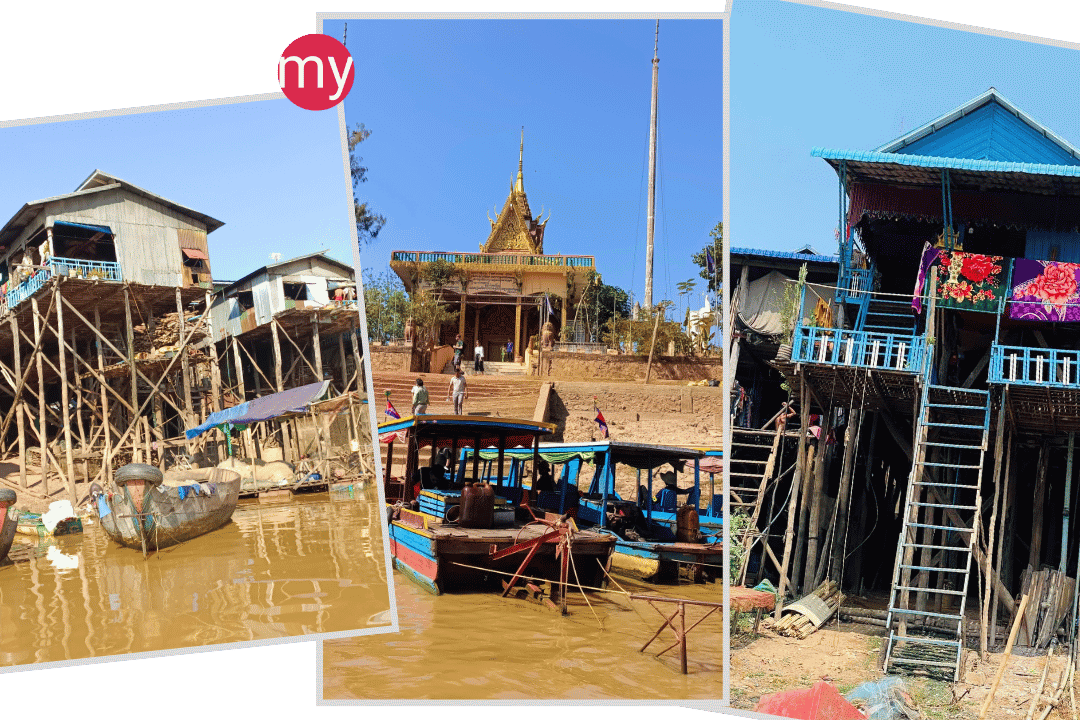
Dry season is still worth your time. In fact, it can be the more striking visit for some people. Why? Because the houses look huge. You see just how high they were built. The place feels tougher, barer, and more exposed. I find that memorable in a different way.

SeasonWhat you getWho I would send
Dry seasonTall stilts, clearer village frame, less flooded forest feelTravelers who want structure, contrast, and easier visual sense of the village
Green seasonHigher water, richer boat routes, more mangrove moodFirst timers, photographers, and anyone chasing the full Tonle Sap feel
Shoulder monthsA mixed look, with some water but still some exposed landTravelers with fixed dates who want a bit of both

If you only read one line in this article, read this one: Kampong Phluk feels very different in the dry season and the green season. So do not book it like it is a fixed attraction. It is a living place that shifts with water.

Kampong Phluk feels very different in the dry season and the green season - Which one should you pick

Kampong Phluk feels very different in the dry season and the green season. Why does it shift so much?

The short reason is simple. Tonle Sap swells hard in the wet months, then pulls back in the dry months.

This is not a small seasonal swing. It is one of the big natural moves in the region. The Mekong River Commission says the Tonle Sap system has a “unique seasonal reversal” and that the lake can expand from2,500 km2 to 15,000 km2. The same source says mean depth can rise from 1 meter to 6 to 9 meters.

NASA puts the shift in plain terms too. It says the lake can grow from a few thousand square kilometers and around2 meters deepto as much as12,000 square kilometersand10 meters deep. That is why the same village can feel like two separate places in one year.

Explainer:

If you want the easy version, think of Kampong Phluk as a stage and Tonle Sap as the moving floor. In dry months, the floor drops and the stilts steal the show. In green months, the floor rises and boats, canals, and flooded trees take over the scene. That is why Kampong Phluk feels very different in the dry season and the green season.

What does Kampong Phluk feel like in the dry season?

It feels more skeletal, more exposed, and more about height.

I like the dry season when I want travelers to understand the engineering of the village. The houses stand high on long wooden poles. Roads and paths are easier to read. The village shape is easier to read too. You feel how people built for flood, not for looks.

On My Siem Reap Tours, the floating village guide notes that dry season often gives you the clearest view of the towering stilt houses, some around26 feet high. That number lands once you stand there. Photos flatten it. Real life does not.

Here is what I tell you to expect in dry months:

  • Bigger visual shock from the stilt houses
  • A rawer village look
  • Less flooded-forest mood
  • Better sense of how people live above the ground line
  • Hotter, dustier travel days at times

And yes, Kampong Phluk feels very different in the dry season and the green season. In dry months, the visit is less about gliding through water and more about seeing the village hold itself above a hard, shifting world.

What does Kampong Phluk feel like in the green season?

It feels softer, fuller, and more like the water village most people came to see.

This is the season I book most often for travelers who want that dream image of Tonle Sap. You see more water movement. You feel the mangroves more. The approach often feels smoother because the lake and channels are doing what people imagine they will do.

My Siem Reap Tours says the rainy period from May to October brings greener scenery, lighter crowds, and stronger water scenes. The same site points to September to October as peak green look for floating villages. On the broader month guide, it also says Tonle Sap floating villages are at their best in rainy season fromJune to October.

For you, that usually means:

  • More boat-based feel
  • Better mangrove canoe sections
  • Richer green tones
  • Moodier cloud cover for photos
  • Fewer people than peak dry-season temple months

So yes, say it again because it matters: Kampong Phluk feels very different in the dry season and the green season. In green season, the village feels tied to the lake in a way that many first-time visitors expect.

Which tour would I book for you?

I would match the tour to the light you want and the pace you like.

If you like calm starts, softer morning light, and a more unhurried feel, I would point you to the Kampong Phluk morning tour. My Siem Reap Tours lists it as a 5 to 6 hourprivate trip with a hotel pick up around7:30 AM, a stop at Rolous Market, a boat ride into the village, a canoe through mangroves, and Tonle Sap views.

If you want warm late light, sky color, and a lake sunset, I would send you to the Siem Reap floating village sunset tour. That page lists a hotel pick up around1:40 PM to 2:00 PM, a departure at2:30 PM, mangrove boating, and return after sunset around7:30 PM.

TourBest fitWhat stands out
Kampong Phluk morning tourCalm start, cooler first hours, gentle paceMarket stop, village boat ride, canoe in mangroves
Siem Reap floating village sunset tourLate light, sunset lovers, couplesSunset over Tonle Sap, village visit, mangrove ride
Both toursTravelers who want a private guided half dayHotel pick up, guide, boat sections, easy planning

My rule for booking

Book the morning tour if you want a steadier feel and less rush. Book the sunset tour if color and mood matter more to you than an early start. If you are still stuck, I would say this: if your whole trip is built around the line Kampong Phluk feels very different in the dry season and the green season, then lean green season first, then choose morning or sunset based on your photo style.

What does Kampong Phluk feel like in the green season

What should you do before you fly to Siem Reap?

Sort your entry steps before you sort your tour.

This part is easy, and it saves you stress. The official Cambodia e-Arrival site says submission isfreeand can be done within7 days before arrival. Do that first.

If you need a visa in advance, the official Cambodia eVisa site lists a Tourist Visa T atUSD 30and a Business Visa E atUSD 35. It says both are single entry, valid for3 months, allow1 monthstay, and take about3 business daysto process.

Here is the order I would use:

  1. Check your visa need on the official Cambodia eVisa page.
  2. Fill in the free Cambodia e-Arrival form.
  3. Lock your Kampong Phluk morning tour or sunset floating village tour.
  4. Pack light clothes, sun block, bug spray, and shoes you do not mind getting dusty or damp.

So what would I tell a friend planning this right now?

I would say do not ask if Kampong Phluk is worth it. Ask which version of Kampong Phluk fits you.

That is the real planning move. I have seen travelers book it with the wrong mental picture, then feel confused on the day. Do not do that. Kampong Phluk feels very different in the dry season and the green season. Treat that as a strength, not a problem.

My own view is simple. If you want the fuller Tonle Sap mood, pick green season. If you want the stark beauty of the giant stilts and the village stripped down to wood, height, and survival logic, pick dry season. Then take the next step. Book the Kampong Phluk tour or the Siem Reap floating village sunset tour. If you want help matching the day to your trip, message us through the contact page.

For me, this is why the place stays with people. Kampong Phluk feels very different in the dry season and the green season. Same village. Two moods. Two smart ways to see it. Pick the one that fits your trip, then go.

Sources and references

Brought to you by Dan and Mat, Your tour planners.

Leave a Comment

Shopping Cart