Community-Based Tourism in Siem Reap: How to Travel With Purpose and Actually Give Back
Community-Based Tourism in Siem Reap helps you turn a good trip into one that puts more of your money, time, and respect closer to local people.
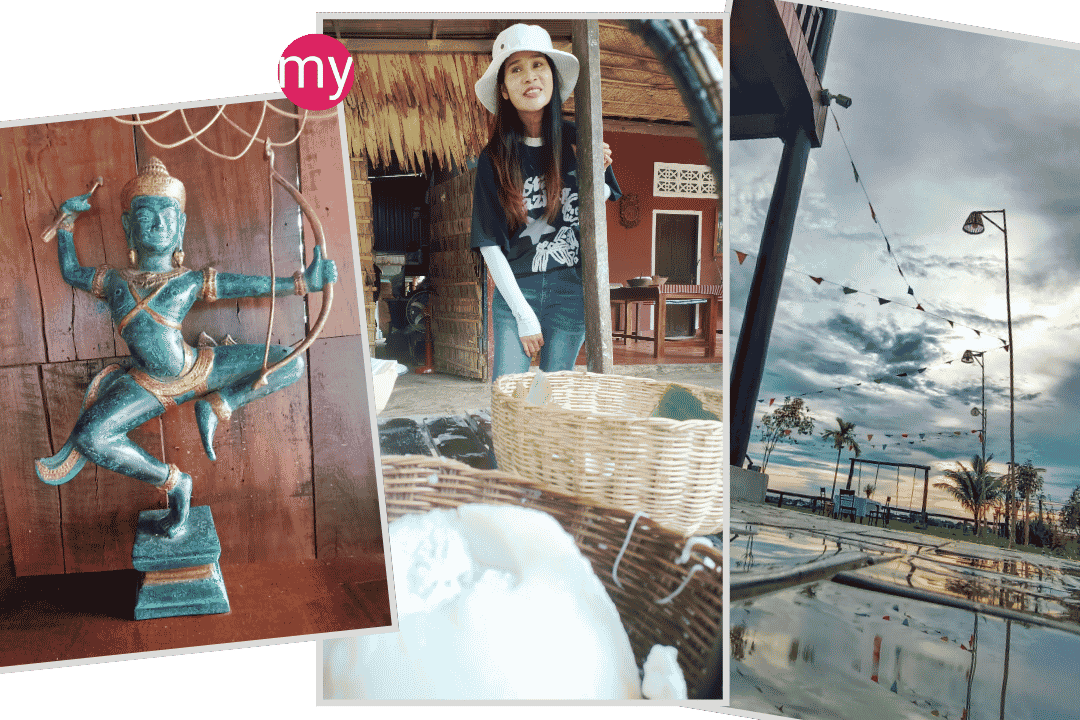
2 days, 3 nights, village stops, floating life, local food making, a private monk blessing, and temple time paced like a real human trip, not a race.
Stop spending your travel money in the wrong places. Community-Based Tourism in Siem Reap puts your dollars directly into local hands — and you get a richer, more real experience in return.
Community-Based Tourism in Siem Reap works best when local people help run the experience, shape the guest contact, and keep a clear share of the money.
Cambodia’s official tourism site says CBT is run by local members and profits directly benefit the local area, which is the whole point of traveling with purpose, not just consuming a place. Cambodia also welcomed 6,700,125 international visitors in 2024, while Siem Reap recorded 1,023,688 foreign visitors and 2,202,150 Cambodian visitors, so where your spending lands matters more when visitor volume rises.
I recommend choosing trips that include village life, floating village time, local food, small-group or private guiding, and clear local hosts. If you want one strong starting point, the Best Community-Based Tour Experience in Siem Reap is built around exactly that kind of trip logic.
Key takeaway
- Community-Based Tourism in Siem Reap is worth it when local people lead, host, cook, guide, or receive direct income from the trip.
- Official Cambodian tourism pages define CBT as tourism managed by local people, with profits going back to the local area.
- Good tours feel slower, more human, and less staged.
- Bad tours use the language of purpose but hide who gets paid.
- The best next step is to book a local-led route, sort your Cambodia e-Arrival, check your Cambodia e-Visa if needed, and ask direct questions before you pay.
Why does Community-Based Tourism in Siem Reap matter more in 2026?
It matters because visitor numbers are back, and your money now has more weight.
Cambodia is busy again. The Ministry of Tourism reported 6,700,125 international arrivals in 2024, up 22.9 percent year on year. Siem Reap alone logged 1,023,688 foreign visitors and 2,202,150 Cambodian visitors in 2024. That scale brings money, yes. It also raises a blunt question: who keeps it?
This is why Community-Based Tourism in Siem Reap matters. Cambodia’s official tourism site says CBT is a form of responsible tourism where local members manage the destination themselves and profits directly benefit the local community. That is not fluffy wording. It is the core test.
The Asian Development Bank makes the same pressure point from a different angle. It says tourism in Cambodia has been overconcentrated in Siem Reap, while villages near heritage sites are often barely visited and do not get enough access to tourism trade. I think that sentence should bother every thoughtful traveler.
What this means in plain English
If you book the wrong trip, your day may be fun, but the value leaks away.
If you book the right trip, your visit helps keep drivers driving, cooks cooking, boat families hosting, guides guiding, and rural stops worth protecting.
What is Community-Based Tourism in Siem Reap, really?
It is travel that keeps control and cash closer to local hands.
The cleanest definition comes from Cambodia’s own tourism platform. It says CBT is managed by local members, shaped with local consultation, and built so profits benefit the local area. That is the standard I use when I plan a purpose-led trip.
So what does Community-Based Tourism in Siem Reap look like on the ground?
It looks like local family cooking, floating village visits, village road stops, rural hosts, monk blessings, and time with people whose daily life is not treated like a backdrop. It also looks like pacing. Not every meaningful trip needs a 4:30 a.m. wake-up call.
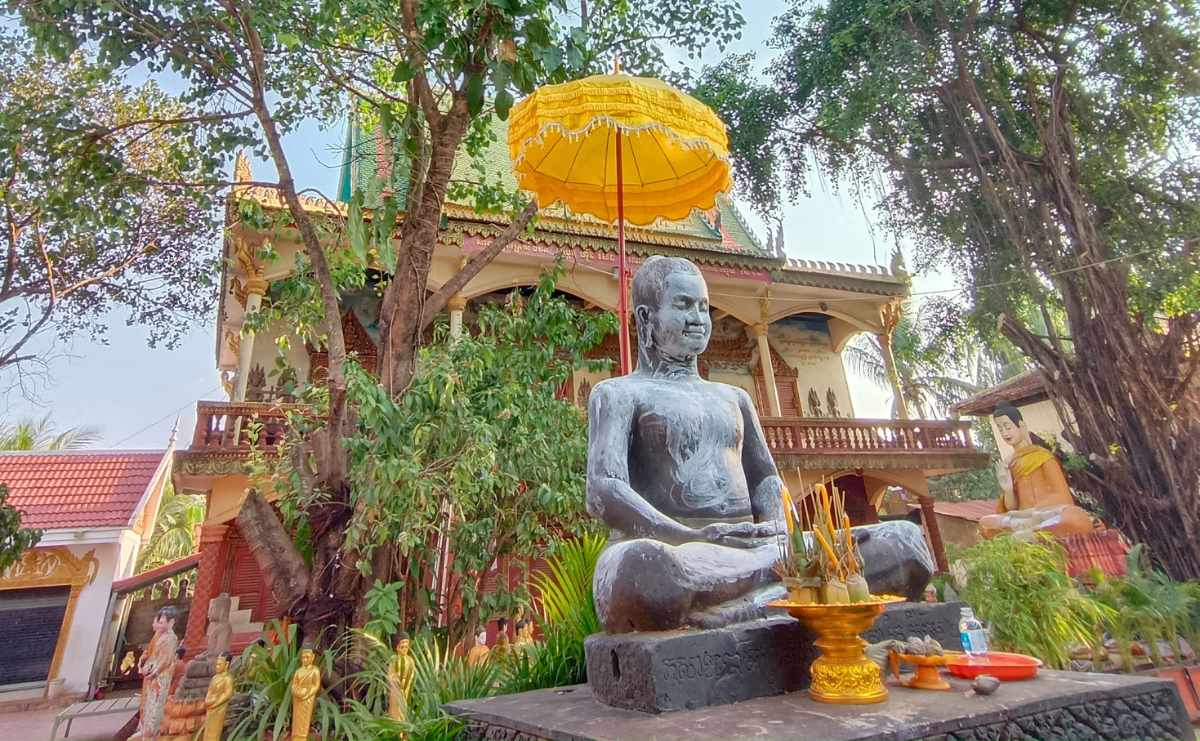
That is why I like the logic behind the Best Community-Based Tour Experience in Siem Reap. It blends Tonle Sap, Phno Krom village, num banh chok making, temple time, and a private monk blessing into a 2-day, 3-night format that feels grounded, not frantic.
| Official fact | Exact number or statement | Why you should care |
|---|---|---|
| Cambodia international arrivals in 2024 | 6,700,125 | More visitors means your booking choice has more impact |
| Siem Reap foreign visitors in 2024 | 1,023,688 | Big volume makes local benefit distribution a real issue |
| Official CBT definition | Managed by local people, profits directly benefit the local area | This is the simplest test for a real give-back trip |
How do you spot real Community-Based Tourism in Siem Reap and avoid the fake stuff?
Ask who hosts, who gets paid, and what part of the day is local-led.
A real Community-Based Tourism in Siem Reap experience should survive basic questions. Who owns the transport? Who cooks? Who leads the village stop? Does money go to a village committee, host family, boat operator, guide network, or local supplier? If nobody can answer, that is your answer.
I use this filter:
Green flags I look for
- A named local stop, not vague “cultural immersion”
- Time with a local family or host, not just a drive-by photo pause
- Clear mention of floating village, countryside, or homestay elements
- A route that buys from local food makers, farmers, or small providers
- A pace that lets real contact happen
Red flags I skip
- “Ethical” language with zero detail
- Seven stops in one day and no time to talk to anyone
- Big emphasis on content creation, very little on local interaction
- No idea who receives the guest spend beyond the operator
Red flag table
| Tour signal | What it often means | Better move |
|---|---|---|
| “Support local people” with no names or places | Marketing fog | Ask for exact stops and who benefits |
| Too many headline sites in one day | Thin local contact | Pick a slower route with fewer stops |
| No entry prep or practical guidance | Weak planning | Use providers who point you to e-Arrival and e-Visa steps |
Which experiences give you the strongest return, both for you and for local people?
The best mix is temples plus living culture, not temples alone.
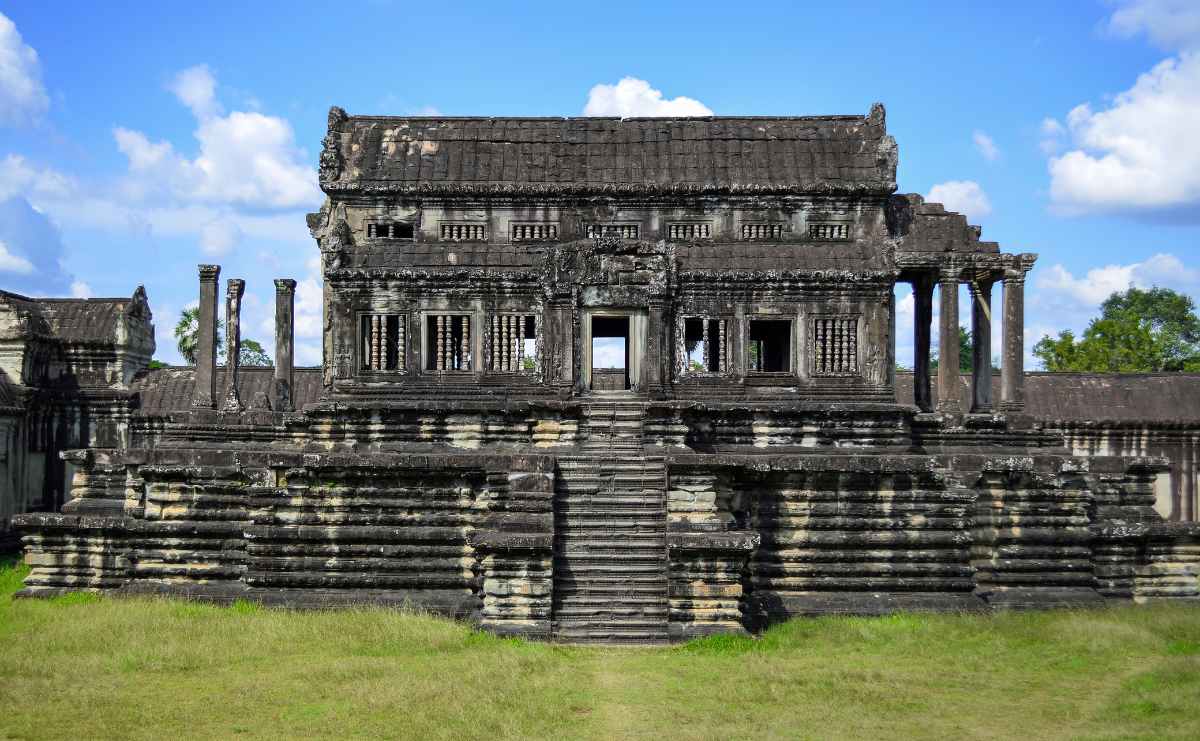
I love Angkor. Still, I would not sell you a trip that treats Siem Reap as temple-only. The most rewarding Community-Based Tourism in Siem Reap pairs heritage with real daily life.
The World Bank found that Cambodia had 146 ecotourism operations, including 87 community-based sites. It also found visits to ecotourism and coastal sites doubled between 2014 and 2019 and made up 16 percent of all tourist visits in 2019. That tells me demand is not niche anymore. People want more than a checklist.
Here are the trip types I would put first:
1. Visit a Village Local food producer
It means visiting a local family home. You make what they make, you eat what they eat, and see a side of Cambodia that no five-star resort can show you.
2. Join a Cooking Class With a Local Family
Khmer food is one of the most underrated cuisines in Asia. A family-run cooking class teaches you real recipes — like fish amok, green mango salad, and coconut sticky rice — while supporting a household income that depends on visitors like you.
3. Buy Directly From Artisans
Skip the tourist market. Visit a weaving village and buy silk directly from the woman who made it. Not only do you get something genuinely handmade, but close to 100% of that purchase stays in the community.
4. Farm-to-Table Rice Farming
Spend a morning planting or harvesting rice with a farming family. This is physically engaging, genuinely educational, and a meaningful way to understand how most Cambodians live.
5. Cycle the Countryside With a Local Guide
A guided countryside bike tour takes you through landscapes that most visitors never see — through floating villages, over wooden bridges, past water buffalo and lotus ponds. The guide is local, knowledgeable, and the fee goes directly to them.
6. Attend a Traditional Khmer Cultural Evening
Many community programs offer an evening of traditional music, dance, and storytelling led by village elders. This is living cultural preservation — and your attendance funds it.
7. Visit a Community-Supported School or Health Project
Some tour operators partner with local NGOs to offer optional visits to community schools or health initiatives. These are not poverty tours. They are structured partnerships where your visit and donation go to a verified local project.

What do the numbers say about why this model works?
The numbers say local-led tourism can put real money into real places.
This is where Community-Based Tourism in Siem Reap stops sounding nice and starts sounding practical.
The World Bank reports that Cambodia’s tourism sector contributed to about 1.3 million direct and indirect jobs in 2018. It also shows that some rural community-based ecotourism sites generated strong income. Kampong Phlok earned about US$302,000 in 2018, with roughly US$300,000 coming from ecotourism. Across 18 CBET sites, average tourist spend ranged from US$5 to US$110 per day.
That spread matters. It means trip design matters. Sleep, meals, transport, guiding, craft stops, and time on site all affect how much stays local.
I will put it plainly: if you only buy entry, transport, and a rushed photo stop, you should not expect much give-back. If you book meals, village time, guide time, and low-friction contact with local hosts, you create a wider income trail.
How should you plan Community-Based Tourism in Siem Reap before you land?
Sort your entry, your pace, and your spending plan before you book extras.
Trip planning is where many people lose the thread. They say they want purpose-led travel, then they build a schedule with no space for it.
Start with entry rules. Cambodia’s official e-Arrival site says all travelers should submit the Cambodia e-Arrival within 7 days before arrival, and it also says e-Arrival is not a visa and is free. If you need a visa, Cambodia’s official e-Visa site lists a Tourist Visa T at US$30, valid for 3 months with a 1-month stay, with 3 business days processing.
Then sort temple costs. The official e-Visa site lists Angkor pass prices at US$37 for 1 day, US$62 for 3 days, and US$72 for 7 days.
After that, build your trip around a sane flow:
- One anchor tour with local contact
- One slower temple block
- One flexible half day
- One food or village activity you will actually remember
This is also a good place to read Sustainable Travel in Siem Reap and check Travel Insurance for Cambodia before you lock your dates.
What should you do next if you want Community-Based Tourism in Siem Reap done right?
Book one trip that proves your values, then build the rest around it.
My advice is simple. Do not try to make every hour “meaningful.” That usually backfires. Pick one strong local-led experience, then let the rest of your Siem Reap time breathe around it.
If I were shaping this for a friend, I would do this:
- Book the Best Community-Based Tour Experience in Siem Reap
- Add one countryside day or floating village visit
- Read the official e-Arrival and e-Visa pages before you fly
- Keep one half day unscheduled so you are not rushing through every human moment
My last note on Community-Based Tourism in Siem Reap
I like Community-Based Tourism in Siem Reap because it asks a better question than “What can I see?” It asks, “What kind of guest am I?” That shift changes the whole trip.
If you want your time in Siem Reap to feel closer, calmer, and more fair, start with a route that puts you in real places with real people. Then ask direct questions before you book. Who leads? Who hosts? Who gets paid? After that, reach out through the My Siem Reap Tours contact page and ask for the right fit for your dates, pace, and budget.
Travel lighter. Leave more behind.
Sources and references
Brought to you by Dan and Mat, Your tour planners.
Featured
Explore more on My Siem Reap Tours
Koh Ker and Beng Mealea guided tour | Banteay Srei temple guided tour | Angkor Wat Sunrise tour | Private Angkor Wat Sunset Tour | Koh Ker and Beng Mealea guided tour | Morning Siem Reap floating village tour | Afternoon Siem Reap floating village tour | Private Angkor Wat special tour | Kulen Waterfall small group guided Tour | Private Angkor Wat mix temples photo tour | Exclusive Siem Reap Artisans Tour with Apsara Dinner | Siem Reap Airport Transfer Bus V.I.P. | Angkor Wat Sunrise and Sunset