By month and climate scenario, what are the expected water levels and on‑the‑ground conditions for Siem Reap’s floating villages, and when do they stop looking like “floating villages” altogether?

See the right village at the right time so you get water, boats, flooded forest, and the look you actually came for.

Month-by-month village calendar with dry season road notes, narrow canal timing, flooded forest windows, and low water year warnings.

By month and climate scenario, what are the expected water levels and on‑the‑ground conditions for Siem Reap’s floating villages, and when do they stop looking like “floating villages” altogether

By month and climate scenario, what are the expected water levels and on‑the‑ground conditions for Siem Reap’s floating villages, and when do they stop looking like “floating villages” altogether? 

The short answer is this: if you want the classic water-world look, aim for July to January, with September to December giving you the strongest odds of broad water, easy boat routes, and that true floating feel.

From late January to May, the inner parts of villages like Kampong Phluk and Kampong Khleang shift hard toward stilt-house and dirt-road scenes, even though outer floating sections can still remain on water.

In very low-water years, that shift comes earlier, and by April some routes, especially flooded forest sections, can shrink or close.

If you want a clean booking path, start with our Siem Reap floating village tourKampong Phluk tourKampong Khleang floating village tour from Siem Reap, or Tonlé Sap tour from Siem Reap.

Quick answer first

By month and climate scenario, what are the expected water levels and on‑the‑ground conditions for Siem Reap’s floating villages, and when do they stop looking like “floating villages” altogether? 

If you come in September, October, November, or December, you are most likely to see the postcard version: broad water, boat access through village channels, and a stronger floating village feel.

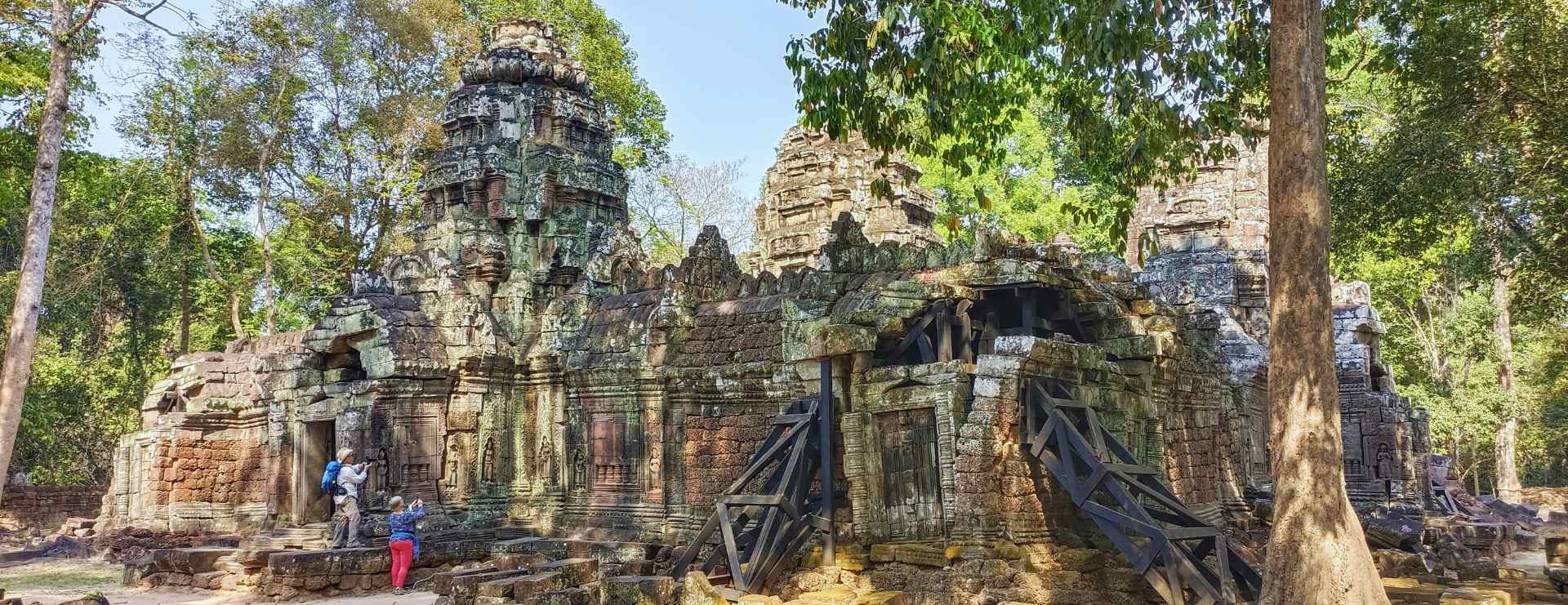
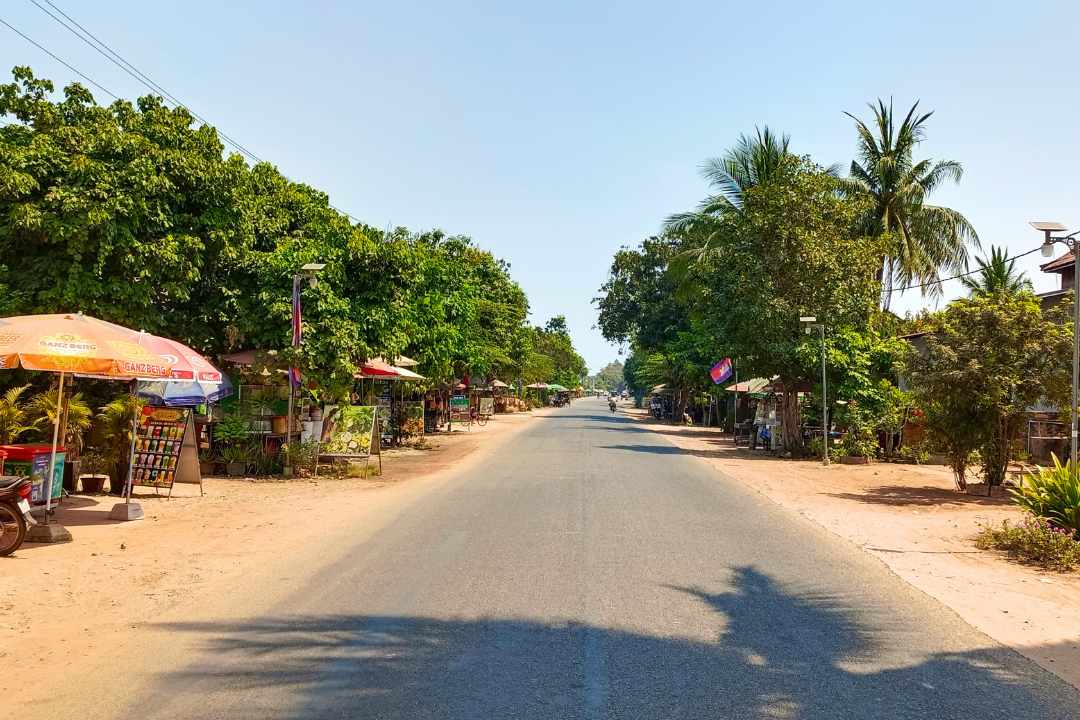
If you come in March, April, or early May, you are far more likely to see stilt houses, exposed roads, dust, narrower canals, and longer dry-land access, especially in Kampong Phluk and Kampong Khleang. That does not mean the trip is bad. It just means you are seeing a different version of Tonlé Sap.

Fast takeaway

  • Best all-round months for classic water scenes: September to December
  • Best for flooded forest at Kampong Phluk: roughly July to January
  • Best for dry-season walking and exposed stilts: February to May
  • When villages stop looking very “floating”: often March to May, sooner in weak-water years
Most villages look most “floating” from about July to January, then shift toward stilted, road-based scenes from late January to May

By month and climate scenario, what are the expected water levels and on‑the‑ground conditions for Siem Reap’s floating villages, and when do they stop looking like “floating villages” altogether?

Most villages look most “floating” from about July to January, then shift toward stilted, road-based scenes from late January to May.

That is the plain answer I give travelers all the time. Tonlé Sap is not static. It expands, contracts, and changes the whole look of each village. In wet months, the lake can rise to 10 plus meters in depth and swell to a huge floodplain. In dry months, it drops hard, and some places that looked like water streets a few months earlier turn into roads and narrow canals.

This is why a lot of travelers get confused. They read “floating village,” then arrive in April and find houses high on poles over dry ground. The village is still real. The name is still real. But the look is not the same.

Which months give you the classic floating-village look?

If your dream is boats passing homes on water, aim for September to December.

I would call September to December the safest window for the classic look. Water is usually high enough by then, the flooded forest is more likely to be open, and the roads inside the stilt villages are less exposed. You still get a good shot in July and August, but in some years the build-up comes later. You can also get nice high-water scenes in January, though the lake is already receding.

Month by month visual calendar

MonthWhat you are likely to seeMy read
JanuaryWater still present, but dropping; many routes still boatableGood, but not peak
FebruaryMore exposed stilts, narrower canals, easier walking in some villagesMixed
MarchStrong dry look in inner villages, outer floating sections still afloatGood only if you want contrast
AprilLowest look in many spots, dust roads, flooded forest may closeLeast “floating” month
MonthWhat you are likely to seeMy read
MayTransition month, still dry early, then rain may start to helpUncertain
JuneWater starts building, some routes improve, green season startsBetter
JulyVillages feel wetter, more boat access, better lake lookStrong
AugustBig visual jump in many years, flooded areas start to shineVery strong
MonthWhat you are likely to seeMy read
SeptemberBroad water, strong floating feel, easy photosPeak
OctoberHigh water, village channels full, rich Tonlé Sap lookPeak
NovemberStill very good, though reversal and recession begin later in monthPeak to strong
DecemberGreat balance of water and clear travel conditionsStrong

In strong-water years, the “floating” look lasts longer. In weak-water years, the dry look arrives early.

This is the part most travel guides skip. The calendar is not fixed. Recent years have shown that low Mekong inflowlate reverse flow, and weak flood pulses can shift the safe viewing window. The Mekong River Commission reported that 2019, 2020, and 2021 were the lowest Tonlé Sap water-level years on record, with reverse flows only 58 percent and 51 percent of the 2008 to 2021 average in 2020 and 2021. That matters to you because the villages can start looking “less floating” earlier than old guidebooks suggest.

The good news is that not every recent year has been poor. In January 2026, the Mekong River Commission said Tonlé Sap’s mean monthly water volume was above the long-term average, and higher than the same period in 2020 to 2025. So early 2026 was better than the worst recent years. Still, by late March and April, the dry-down is real. That part does not stop.

Which months give you the classic floating-village look - If your dream is boats passing homes on water, aim for September to December

What low-water, normal, and stronger-water years feel like

Water scenarioWhat shifts for youWhat I would do
Weak-water yearDry look arrives early, canals narrow faster, flooded forest window shrinksPick July to December
More normal yearWet and dry pattern feels closer to the usual guidebook rhythmPick August to January
Stronger-water yearHigh-water look lasts longer into January and sometimes beyondJanuary can still work well

How does each village behave as the lake rises and falls?

The villages do not all react the same way, and that is the part that saves you from a bad booking.

I think this is where travelers make the best choice. Not by asking “wet or dry season?” but by asking which village still works in my month.

Kampong Phluk

Kampong Phluk looks most dramatic when the flooded forest is full.

Kampong Phluk is a stilt-house village first, not a pure floating settlement. In dry months, it becomes very obvious. You see the full height of the stilts. Roads appear. Walking becomes easy. In wet months, the same place feels far more water-based, and the flooded mangrove forest becomes one of the main draws.

Public local guidance says the flooded forest works best in the wetter part of the year and is often good from July to January. Another local operator says the forest can be closed for a few weeks in April when there is simply not enough water. So if your dream is the canoe under the trees, I would not risk late April.

If Kampong Phluk is your target, book our Kampong Phluk tour.

Kampong Khleang

Kampong Khleang stays interesting all year, but the route changes more than many people expect.

Kampong Khleang is one of the clearest examples of how season changes the trip itself, not just the view. In wet months, boats can start closer to the village center and head out smoothly. In dry months, one local operator says guests drive farther in by van because the water is too shallow, then take a boat through a very narrow canal cut into the receding lakebed. In the dry season, the canal run can take up to 40 minutes to reach Tonlé Sap, and roads appear between the stilt houses.

That means Kampong Khleang still works in dry months, maybe even better if you want to walk through the village. But it stops looking strongly “floating” earlier in the inner village than many first-time visitors expect.

If you want this village done right, start with our Kampong Khleang floating village tour from Siem Reap.

Chong Kneas

Chong Kneas is easy to reach, but the look can turn rough in low-water months.

Chong Kneas sits closer to Siem Reap and stays easy to access. In rainy months, it gives a quick look at homes, schools, and restaurants on water. In very dry months, travelers have reported a less pleasant look, with low water and a more exposed lakeside feel. I would not choose Chong Kneas in peak dry season if your main goal is the prettiest floating-village scene.

If you go there and want official ticket-center details, check Angkor Enterprise.

Mechrey

Mechrey can get shallow fast, so timing matters more than most people think.

Mechrey is quieter and often tied to birding routes. Public travel notes say high water from July to March works best, while dry-season shallows can limit parts of the ride. So if you are eyeing Mechrey, I would keep it in the wetter half of the cycle.

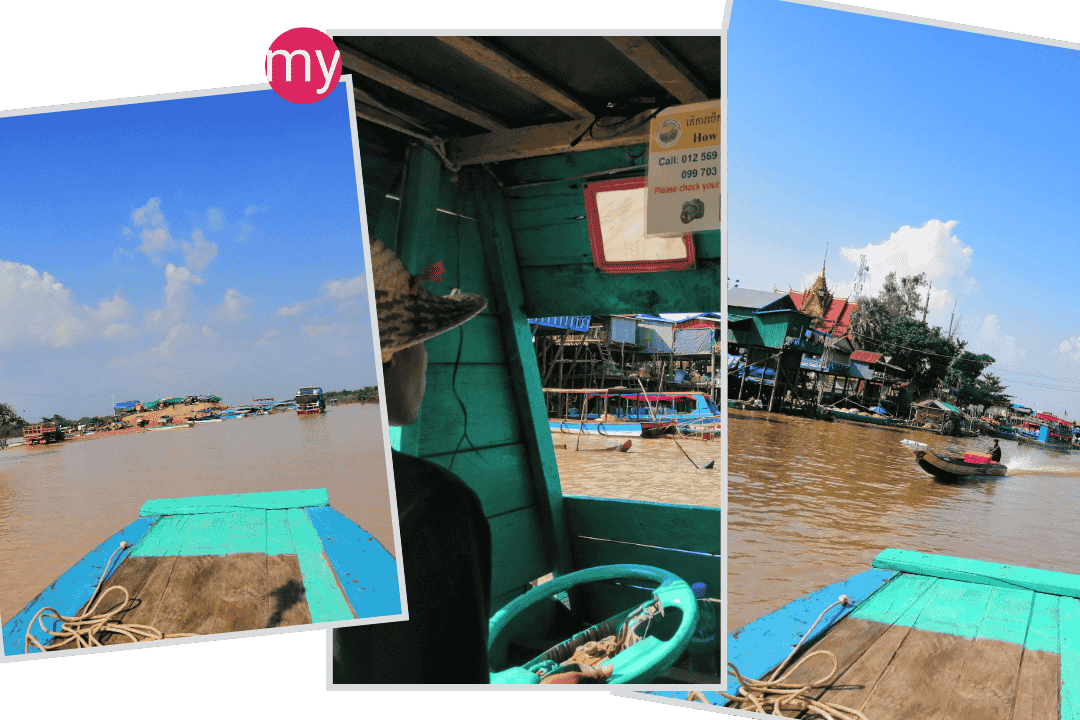
By month and climate scenario, what are the expected water levels and on‑the‑ground conditions for Siem Reap’s floating villages, and when do they stop looking like “floating villages” altogether?

They usually stop looking strongly “floating” in the inner villages from about March to May, earlier in weak-water years.

This is the answer many travelers really want. Not “Can I still go?” You usually can. The real question is “Will it look like the photos?” By March, many inner village sections begin to read more like stilt-house settlements over exposed ground than floating neighborhoods. By April, that shift is often obvious. By May, you are in a waiting room for the rains.

That is most obvious in Kampong Phluk and Kampong Khleang, because they are famous for those very tall stilts. Ironically, the dry season can make those villages look more dramatic as architecture, but less like the classic floating image.

A simple village comparison

VillageMost floating lookLeast floating look
Kampong PhlukJuly to JanuaryMarch to May
Kampong KhleangJuly to JanuaryFebruary to May in inner village
Chong KneasJune to OctoberMarch to May
MechreyJuly to MarchLate dry season
Prek ToalWet look strongest later in flood seasonBirding still good in dry months, but less floating feel

What should you book based on your month?

Match your month to the village, not the other way around.

This is the step that saves the trip.

If you are visiting from September to December

Pick almost any major village. This is the broad sweet spot. I would lean toward our Siem Reap floating village tour or our Tonlé Sap tour from Siem Reap if you want an easy all-round choice.

If you are visiting in January or February

Still good. Just know the water is already dropping. Kampong Phluk and Kampong Khleang can still be very rewarding, but the dry look is starting to show.

If you are visiting in March, April, or May

Choose with open eyes. You are booking for exposed stilts, walking, narrow canals, and the scale of the dry-down, not for a full flooded village look. I would favor our Kampong Khleang floating village tour from Siem Reap if you want to see how daily life shifts with the lake.

If you are visiting in June, July, or August

This is a smart time if you want fewer people and rising water. I like our Kampong Phluk tour here, since the flooded forest comes back to life.

What should you do next?

Pick your month first, then choose the village that fits that month.

I always tell travelers this because it works. Do not ask for the “best floating village” in the abstract. Ask which village works in your week, in your month, in that year’s water pattern.

My own take is simple. By month and climate scenario, what are the expected water levels and on‑the‑ground conditions for Siem Reap’s floating villages, and when do they stop looking like “floating villages” altogether? It is one of the most useful questions you can ask before booking Tonlé Sap. It keeps you from arriving in April expecting September. It also helps you enjoy what is really there. Sometimes that means flooded forest and broad water. Sometimes it means giant stilts, dry roads, and a narrow canal cutting through the old lakebed. Both can be worth your time, as long as you know which version you are buying.

If you want help picking the right village for your travel dates, message us through our contact page. Tell us your month, your group size, and what you most want to see. We will point you to the tour that fits your dates, not just the tour that sounds good on paper.

Useful My Siem Reap Tours pages

Sources used for this article

Brought to you by Dan and Mat, Your tour planners.

Leave a Comment

Shopping Cart