What is the Best Month to Visit Siem Reap?

What Is the Best Month to Visit Siem Reap If You Want Easy Temple Days - Go at the right time and enjoy cooler mornings clear views and calm walks at Angkor

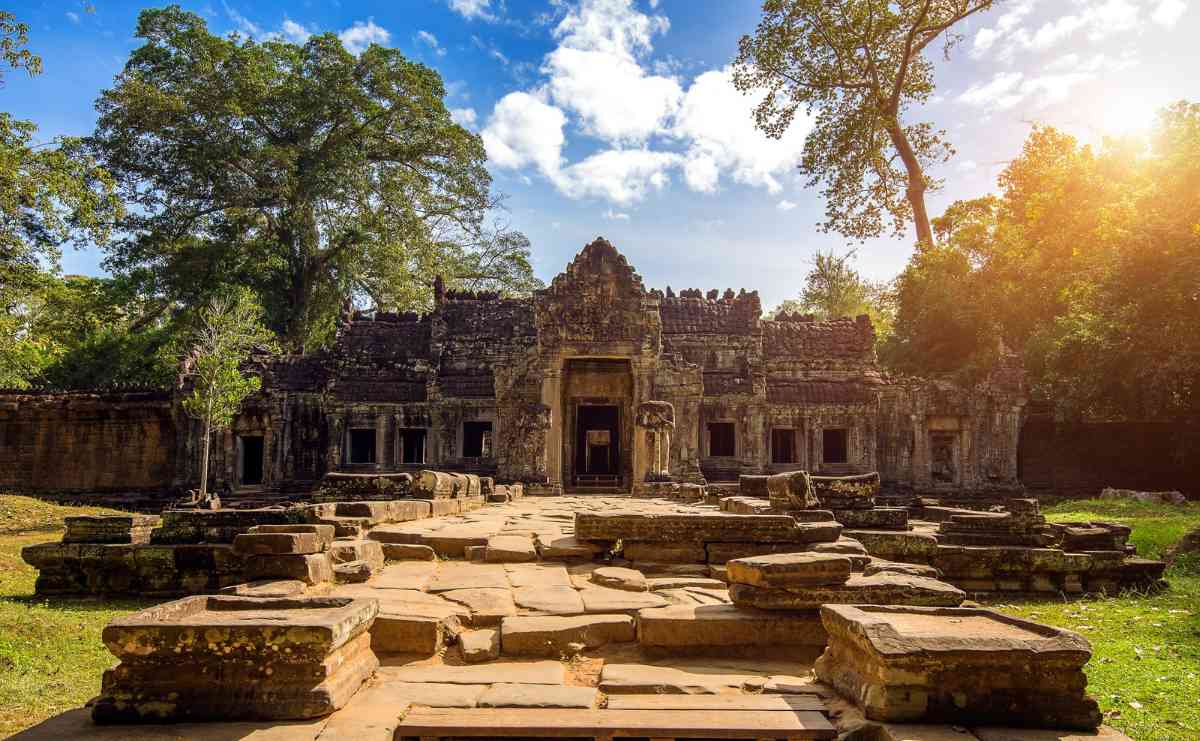
November through February offers the absolute best conditions for temple exploration, with cool mornings (20-25°C), clear skies, and minimal rainfall making every sunrise worth the early wake-up call. During these months, you’ll experience comfortable walking temperatures, stunning photography light, and the driest trails across Angkor’s vast complex. 

What Is the Best Month to Visit Siem Reap If You Want Easy Temple Days - Go at the right time and enjoy cooler mornings clear views and calm walks at Angkor

While December and January bring peak crowds, the trade-off is worth it for first-time visitors who want guaranteed good weather. If you’re wondering what is the best month to visit Siem Reap based on your priorities (weather, crowds, or budget), this guide breaks down every month so you can pick your perfect temple adventure window.

The Short Answer You Actually Need

The best month to visit Siem Reap is November, December, January, or February. Full stop.

These four months deliver what temple explorers actually care about: cool mornings that make climbing steep stairs bearable, clear skies that turn sunrise into magic, and dry paths that won’t leave you sliding through mud at Ta Prohm.

But here’s what the generic travel guides won’t tell you: each of these months has a different personality. November brings fewer tourists and lingering green landscapes from the rainy season. December and January pack in the crowds but offer the coolest temperatures. February starts warming up but gives you more breathing room at popular temples.

Why Month Selection Actually Matters at Angkor

Most travel advice treats timing like a minor detail. At Angkor, it’s everything.

You’re going to walk 10-15 kilometers on an average temple day. You’ll climb ancient staircases with 70-degree inclines. You’ll stand in open courtyards with zero shade, waiting for that perfect photo angle at Bayon’s faces. And you’ll do all of this starting at 4:30 AM if you want to catch Angkor Wat sunrise.

The Siem Reap weather by month creates entirely different experiences. Visit in April, and you’re temple-hopping in 38°C heat with humidity that feels like you’re wearing a wet blanket. Show up in November, and those same temples greet you with 24°C mornings and a pleasant breeze.

I’ve watched travelers cut their temple days short because they picked the wrong month and couldn’t handle the heat. I’ve also seen people extend their stays because November’s perfect conditions made them fall in love with exploring.

Understanding Siem Reap’s Two-Season Reality

Cambodia operates on a simple climate system: dry or wet. No autumn leaves, no spring flowers, just two distinct periods that completely reshape your temple experience.

The Dry Season (November to April)

This is when most international visitors arrive, and the Siem Reap dry season dominates tourism planning. From November through February, you get the “cool” dry season (relatively speaking). March and April bring the “hot” dry season, where temperatures climb brutally high.

The Rainy Season (May to October)

The Siem Reap rainy season runs from May through October, with August and September delivering the heaviest downpours. But here’s the truth most guides miss: the rain usually arrives in afternoon thunderstorms, not all-day washouts. Your morning temple visits? Often perfectly dry.

What is the Best Month to Visit Siem Reap?

Breaking Down Every Month: What Actually Happens at the Temples

November: The Secret Sweet Spot

Siem Reap weather November to February starts with this underrated gem. November combines everything good about the dry season without the December crowds. The landscape still glows green from the rainy season’s end, moats around temples sit full and reflective, and morning temperatures hover around 24°C.

The best time to visit Siem Reap for photographers? November delivers. The air holds just enough moisture to create those dramatic cloud formations at sunrise, but not enough to threaten rain. You’ll find space to set up your tripod at Angkor Wat’s reflection pools without fighting through tourist groups.

November Conditions:

Temperature Range | Morning | Midday | Evening — | — | — Degrees Celsius | 22-25°C | 30-32°C | 24-26°C Rainfall | Minimal (end of wet season) | Rare | Occasional Crowd Levels | Moderate | Light to Moderate | Light

Early November might catch the tail end of rainy season, but by mid-month, you’re in pure dry season territory. This transition period creates the best of both worlds.

December: Peak Season Arrives With Good Reason

December brings the international holiday crowd, but they’re here for legitimate reasons. The Siem Reap temperature guide shows this month hitting the sweet spot: 20-23°C mornings that make those 4:30 AM wake-ups less painful, and midday heat that stays manageable around 31°C.

Yes, Angkor Wat best month to visit conversations often land on December for weather alone. The trade-off? You’re sharing sunrise viewpoints with significantly more people. But if this is your only chance to visit, December won’t disappoint weather-wise.

December Considerations:

  • Christmas and New Year weeks bring maximum crowds
  • Hotel rates jump 30-50% during holiday periods
  • Temple sunrise spots fill up by 5:30 AM
  • The cool mornings make all-day temple marathons actually possible
  • Clear skies deliver on that sunrise promise 95% of mornings

January: The Coolest Month You’ll Experience

January claims the title for coolest temperatures. Morning starts can dip to 20°C, which feels downright chilly by Cambodian standards. Locals break out light jackets. Tourists marvel at needing long sleeves at dawn.

This is when the best month to visit Siem Reap conversation gets serious for people who struggle with heat. You can comfortably explore temples from sunrise through midday without feeling like you’re melting. The 3-day Angkor Sunrise Revolution itinerary works beautifully in January because you can push through full days without heat exhaustion.

January Reality Check:

The Siem Reap peak tourist season hits full stride. Chinese New Year (date varies, sometimes late January) brings waves of Asian tourists. Angkor Wat’s sunrise platforms get packed. Popular temples like Ta Prohm see steady crowds throughout the day.

But the weather is so cooperative that even crowded temples feel manageable. You’re not adding heat stress on top of tourist stress.

February: Weather Perfection Before the Heat Arrives

February extends that January comfort zone while crowds start thinning slightly. You’re still in prime Siem Reap dry season, but early February offers marginally fewer tourists than December-January peak weeks.

Temperatures start their gradual climb. Morning lows rise to 22-24°C, midday heat pushes toward 33°C. You can feel the shift toward hot season, but it hasn’t arrived yet. This makes February perfect for visitors who want good weather without fighting through maximum crowds.

The Angkor Wat best month to visit for a balance of weather and space? February deserves consideration. You’ll still want to start temple days early (that 4:30 AM call time remains non-negotiable for sunrise), but you’ll find slightly more room at popular photo spots.

March: The Heat Begins Its Climb

March marks the transition from “pleasantly warm” to “genuinely hot.” Morning temperatures still start comfortable around 24-26°C, but midday heat now reaches 35-36°C regularly. The Siem Reap climate guide shows March as when weather stops being an afterthought and becomes a factor in daily planning.

What Changes in March:

You’ll need to adjust your temple strategy. Those charming afternoon visits to remote temples? They become heat endurance tests. The smart move: finish your main temple exploration by 1 PM, retreat to your hotel pool, and consider sunset temple visits if you have energy.

Crowds drop noticeably. Families with school-age children have returned home. The best time to visit Siem Reap for people who prioritize empty temples over perfect weather? March makes a case. You’ll sweat more, but you’ll share Ta Prohm’s corridors with far fewer people.

April: The Hot Season Peak

April is when Cambodians start questioning why anyone visits temples in the middle of the day. It’s the hottest month of the year. Midday temperatures regularly hit 38-40°C, and the humidity makes it feel worse.

Is April the best month to visit Siem Reap? Not if you have other options. But if April is your only window, you can make it work with smart planning:

Surviving April Temple Days:

  • Start at 4:30 AM without exception
  • Finish major temple exploration by 11 AM
  • Take a serious midday break (three to four hours)
  • Consider sunset temples if conditions improve
  • Drink twice as much water as you think you need
  • Accept that you won’t cover as many temples per day

The silver lining? Hotels drop their rates. Crowds thin dramatically. Popular temples feel almost empty during certain hours. If you can handle the heat, April’s low-season perks become appealing.

April also marks Khmer New Year (mid-April, dates vary), when domestic tourism surges but international visitors remain scarce. Temple celebrations and local festivities add cultural dimension if your dates align.

May: When the Rains Begin

May transitions into Siem Reap rainy season territory. The pattern: hot, humid mornings give way to afternoon or evening thunderstorms. Not every day, but frequently enough that you’ll encounter rain during your visit.

Here’s what makes May interesting: the best time to visit Siem Reap calculations shift entirely. You’re no longer optimizing for perfect weather (that’s gone). Instead, you’re weighing rain risk against serious benefits: dramatically lower hotel rates, minimal crowds, and lush green landscapes that make temples look magical.

May’s Trade-offs:

Morning temple visits work beautifully most days. Clouds provide natural shade. Temperatures, while still warm (28-30°C mornings), feel less oppressive than April. Then around 2-4 PM, the sky often opens up.

But these aren’t all-day monsoons. They’re intense 1-2 hour downpours. If you’re back at your hotel by early afternoon anyway (smart move in any season), the rain barely affects your plans.

June Through August: Deep Rainy Season

These months bring consistent afternoon rain and high humidity. The Siem Reap weather by month shows June averaging 15+ rain days, July and August even more. The landscape turns intensely green. Angkor’s moats fill completely. Temple carvings, cleaned by daily rain, look sharper.

Who Should Visit June-August:

Honestly? Adventure-minded travelers who don’t mind weather unpredictability, photographers chasing dramatic storm clouds and moody lighting, and budget travelers willing to trade weather guarantees for 40-50% hotel savings.

The Siem Reap low season travel experience is genuinely different. You might have entire temple complexes to yourself. The Private Angkor Wat Special Tour with Phnom Bok Sunset becomes even more special when you’re watching clouds roll over empty temples.

Rainy Season Reality:

Most temple visits happen 5:00 AM to 1:00 PM. This window usually stays dry or sees only light rain. The heavy storms arrive later afternoon through evening. Your actual temple exploration? Often perfectly manageable.

What you gain: incredible photo opportunities with dramatic skies, almost empty temples, and that adventurous “we’re really traveling” feeling.

What you risk: occasional full-day rain (rare but possible), muddy temple paths, and reduced visibility at sunrise if storms roll through overnight.

September: The Wettest Month

September typically brings peak rainfall. The Siem Reap rainy season hits its stride. If you’re asking “what is the best month to visit Siem Reap,” September doesn’t make anyone’s shortlist unless you’re specifically seeking solitude and dramatic weather.

But let’s be real: September has a certain appeal for non-traditional travelers. The Kulen Waterfall Small Group Guided Tour becomes absolutely spectacular because waterfalls run at maximum volume. The countryside looks like a nature documentary.

Just know what you’re signing up for. Pack quality rain gear. Expect to adjust plans. Embrace flexibility.

October: Transition Back to Dry

October sits in that awkward transition space. The Siem Reap climate guide shows rainfall starting to decrease, but you’re not safely into dry season yet. Early October still brings regular storms. Late October starts feeling drier and more predictable.

October Strategy:

If you can choose your specific dates, aim for the second half of October. You’ll catch the tail end of rainy season’s green beauty while weather becomes more reliable. Crowds remain light. Hotel rates start climbing back up but haven’t reached high-season levels yet.

The best time to visit Siem Reap for contrarians who want good weather without tourists? Late October might be your answer.

Temperature and Comfort: The Numbers That Matter

Siem Reap Temperature Guide by Month:

MonthMorning LowMidday HighComfort Rating
November23°C31°CExcellent
December21°C30°CExcellent
January20°C31°CExcellent
February22°C33°CVery Good
March24°C35°CGood (hot afternoons)
April26°C38°CChallenging (very hot)
May26°C35°CModerate (rain helps)
June25°C33°CModerate (humid, rainy)
July25°C32°CModerate (humid, rainy)
August25°C32°CModerate (humid, rainy)
September25°C31°CModerate (wettest month)
October24°C31°CGood (improving)

These aren’t just statistics. These numbers translate directly to how many hours you can comfortably explore temples each day.


Making Your Month Decision: The Decision Framework

Start with these questions:

  1. When can you actually travel? (Work, school, life constraints matter most)

  2. How heat-tolerant are you? (Be honest. Heat exhaustion ruins temple days)

  3. How important are guaranteed blue skies? (Some travelers adapt easily to weather changes; others need predictability)

  4. What’s your budget flexibility? (High-season months cost 40-60% more for accommodation)

  5. How much do crowds bother you? (Sharing sunrise with 500 people affects some visitors more than others)

Decision Tree:

Can you visit November-February? Pick one of these months. The best month to visit Siem Reap falls in this window for 80% of travelers.

Forced to visit March-May? March brings heat but space. April brings extreme heat. May brings rain but relief from April’s intensity. Pick based on your heat tolerance.

Only option is June-September? June and July offer slightly better conditions than August-September. But all rainy months work if you embrace flexibility and morning-focused temple schedules.

October available? Late October combines rainy season’s green beauty with improving weather and low crowds. Underrated choice.

Combining Temples With Other Siem Reap Experiences


The best time to visit Siem Reap isn’t just about temples. Your month affects every experience:

Tonle Sap Floating Villages: Best during rainy season (June-October) when water levels rise and village life spreads across the lake. The Siem Reap Floating Village Tour shows dramatically different scenes in wet versus dry season.

Phnom Kulen Waterfalls: Most impressive during or just after rainy season (July-November). The Kulen Waterfall Small Group Guided Tour peaks in September-October when waterfalls run strongest.

Countryside Cycling: Most comfortable November-February when heat won’t overwhelm you. The Rural Angkor Wat Bike Tour Escape works year-round but shines in cool months.

Elephant Sanctuary Visits: Year-round activity, but elephants are more active in cooler morning hours (any season). The Kulen Elephant Forest and Kulen Mountain Private Tour combines ethical elephant encounters with temple visits.

Multiple-Day Adventures: The Premium 2.5-Day Siem Reap Journey Through Ancient and Authentic Cambodia works best November-March when you can maintain energy across consecutive full days.

What is the Best Month to Visit Siem Reap? Final Month Selection Wisdom

The best month to visit Siem Reap comes down to your personal tolerance equation: weather predictability versus crowd levels versus budget constraints versus schedule flexibility.

For most travelers, November or February offers the best overall balance. You get strong weather, manageable crowds (especially February), reasonable pricing (particularly early November), and comfortable exploration conditions.

But the “best” month is really the one that matches your priorities:

If you’re a photographer: November
If you hate heat: January
If you need empty temples: March or September
If you’re budget-focused: May, June, or October
If you want everything perfect: December or January
If you’re adventurous: June through September

The temples have stood for 800+ years. They’ll be magnificent whenever you visit. The question isn’t whether Angkor will amaze you (it will), but rather which month lets you experience that amazement most comfortably.

What is the best month to visit Siem Reap? The one that works with your schedule and matches what you value most in a travel experience. Because honestly? Morning light hitting those temple stones creates magic in January’s cool air and July’s humid haze alike. The stone faces of Bayon smile through sunshine and rain. And that moment when you first glimpse Angkor Wat’s towers rising above the jungle? That works every single month of the year.

Check the official Angkor Enterprise website for current temple access information and the ticket portal for pass options before finalizing your plans.


Choosing Your Temple Adventure Window

After exploring Angkor across every season and watching thousands of travelers navigate their temple days, I’ve learned this: the “perfect” month matters less than going prepared for whichever month works for your life. I’ve seen December visitors miserable because they didn’t expect crowds, and August visitors thrilled because they packed rain gear and embraced adventure.

What is the best month to visit Siem Reap? For weather perfection and predictable conditions, November through February wins every time. For value and empty temples, look at the shoulder and rainy seasons. For that specific sweet spot balancing all factors, late November or early February gives you the best of everything: comfortable temperatures, thinning crowds, and Angkor’s ancient stones waiting to reveal their stories under whatever sky the month brings.

Ready to plan your perfect temple adventure? Reach out to our team for personalized itinerary planning based on your specific travel month and priorities. We build custom experiences matching your timing, interests, and comfort level. Or if you’re media and want to dig deeper into Siem Reap travel insights, connect with our press team.

The temples are calling. Pick your month and answer.


Essential Planning Resources for Your Siem Reap Visit

Before you book flights and count down days until your Angkor adventure, these resources help you plan smarter and arrive prepared:

These resources cover the practical details that transform “thinking about Siem Reap” into “boarding my flight to Cambodia.”

Brought to you by Dan and Mat, Your tour planners.

Leave a Comment

Shopping Cart