What other temples should I visit after Angkor Wat? Create your 3-day itinerary!
How to Explore Beyond Angkor Wat with a Strategic 3-Day Temple Itinerary: Proven Temple Route That Maximize Your World Heritage Experience in 2026
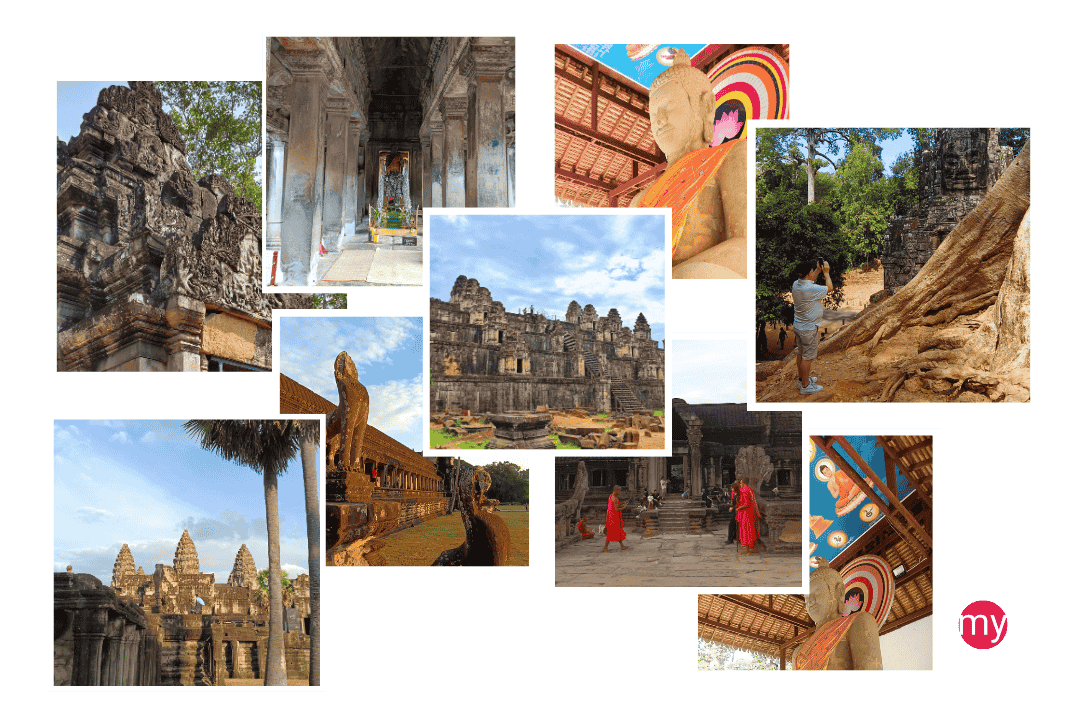
After Angkor Wat, you should visit Ta Prohm (the Tomb Raider temple), Bayon with its smiling stone faces, and Banteay Srei for intricate pink sandstone carvings. Your 3-day itinerary should include the Small Circuit on Day 1, the Grand Circuit and remote temples on Day 2, and floating villages or countryside experiences on Day 3.Â
This combination lets you see everything from jungle-swallowed ruins to temples most tourists skip, while avoiding the crowds that mob Angkor Wat at sunrise.
The Other 99 Temples Nobody Told You About Until Your Third Day in Siem Reap When You Realize Angkor Wat Was Just the Warm-Up
So you’ve done Angkor Wat. Checked it off the list. Got the sunrise photo. Now what?
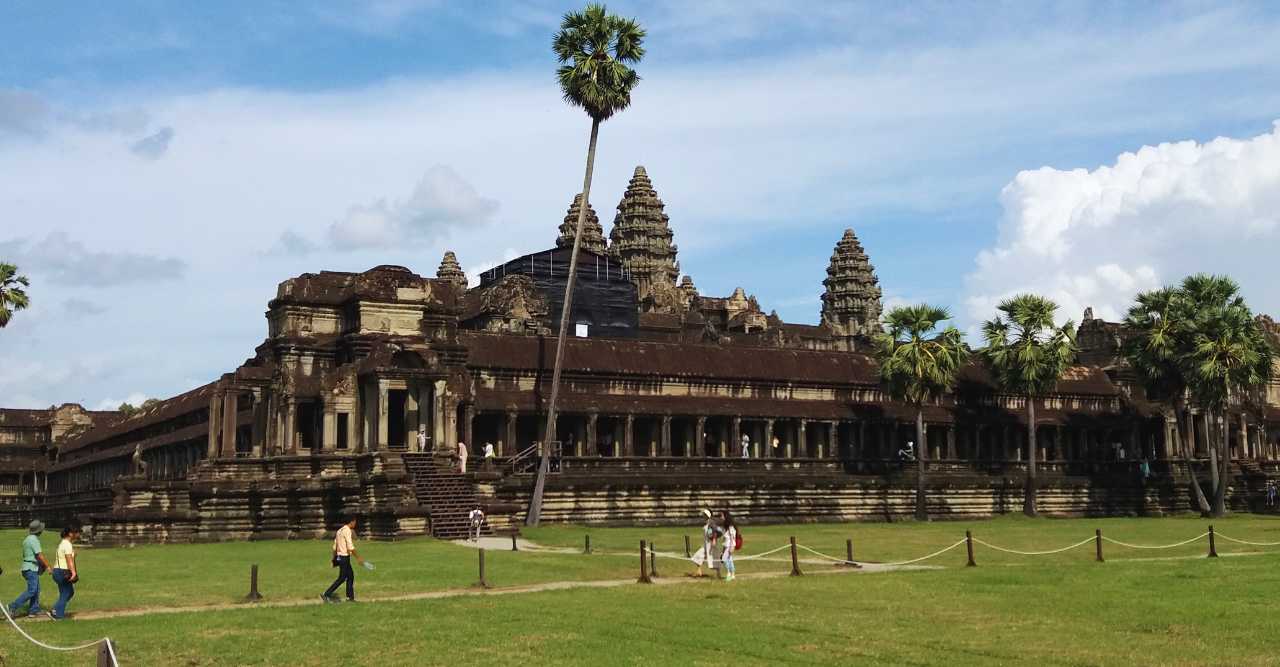
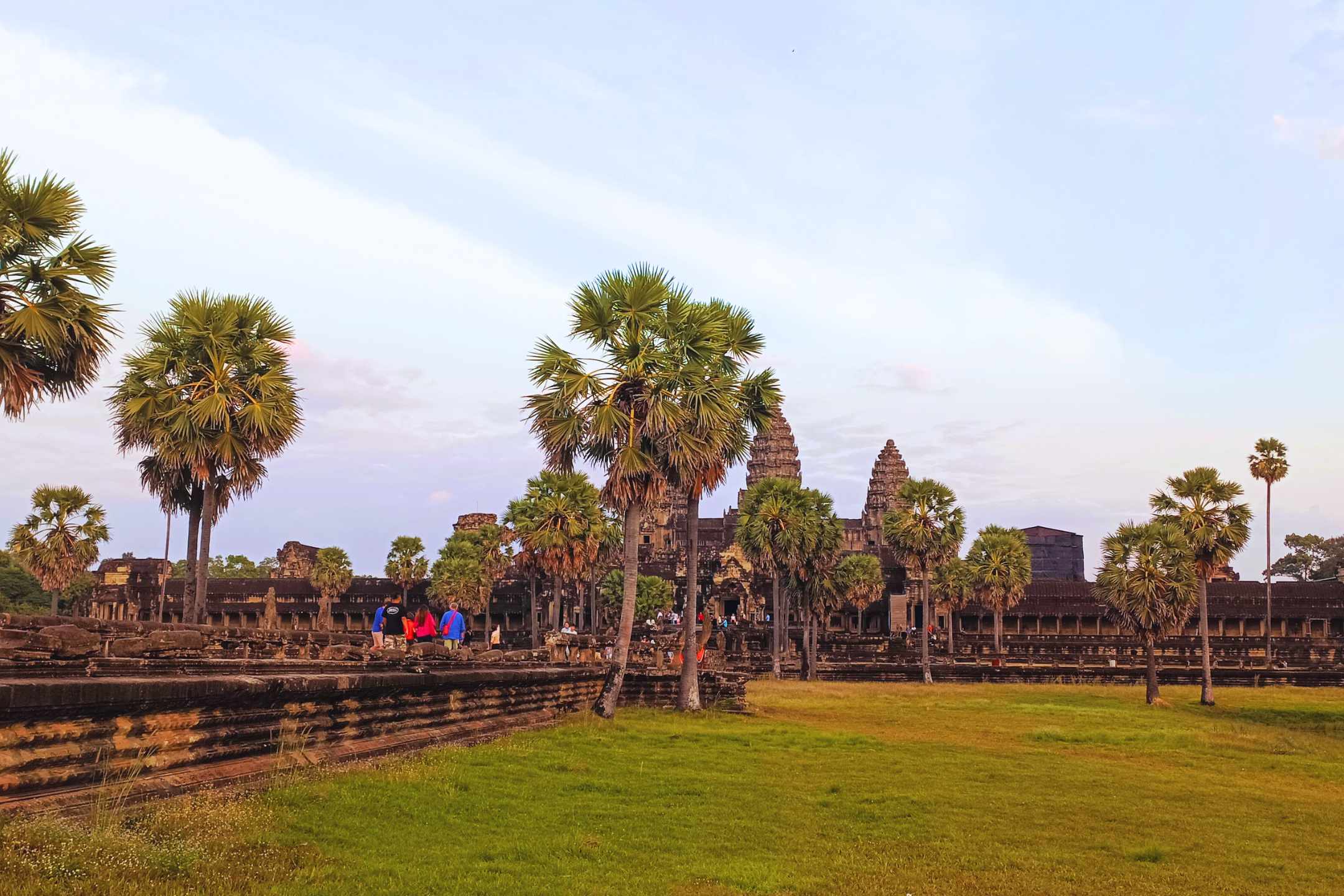
Here’s the thing: Angkor Wat is just one temple in a complex of over 1,000 structures spread across more than 400 square kilometers. Most people spend three hours there, post their photos, and then wonder what to do with the remaining two days of their Angkor Pass.
That’s where this guide comes in.
I’ve been running tours through these temples for years, and I still find new corners, hidden carvings, and spots where the light hits just right. This isn’t some generic list you’ll find on every travel blog. This is the actual route I’d take my own family on if they flew in tomorrow and said they had three full days.
What Other Temples Should I Visit After Angkor Wat on Day 1
Your first day after Angkor Wat should focus on the Small Circuit. Start early, like 7:30am early, because by 10am the tour buses roll in and the magic disappears under a wave of selfie sticks.
Angkor Thom and the Faces That Follow You
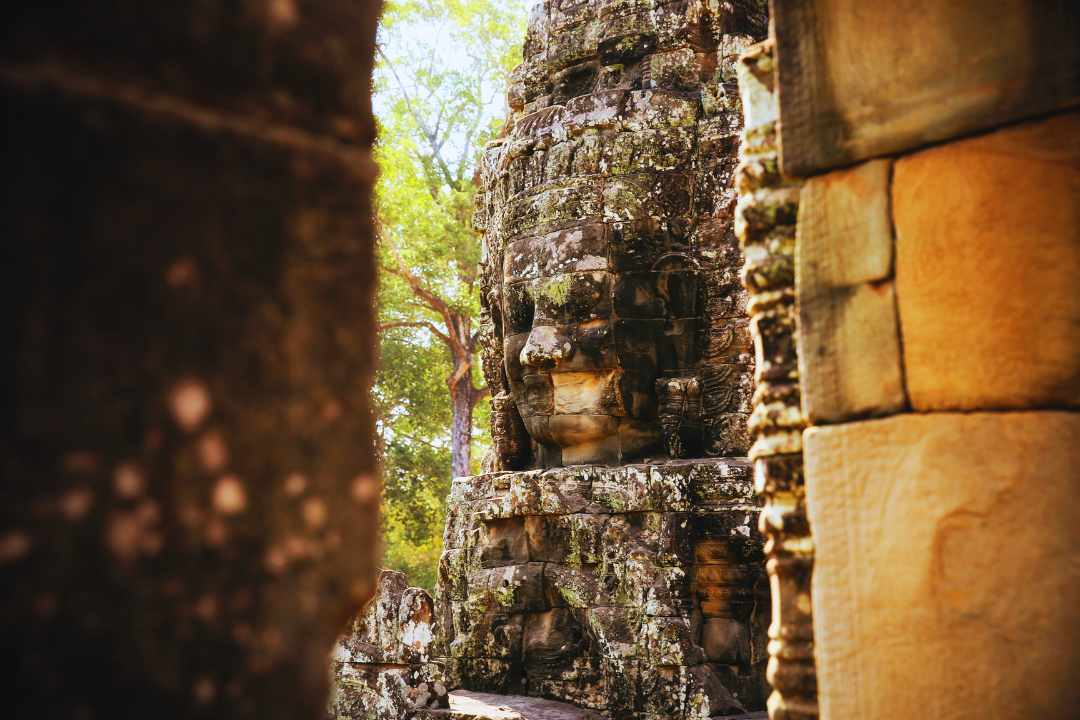
Angkor Thom is not one temple. It’s a walled city with multiple temples inside, and it’s bigger than Angkor Wat. The main attraction here is Bayon Temple, famous for those massive stone faces that seem to smile at you from every angle.
I’ve walked through Bayon maybe 200 times, and those faces still creep me out a little. In the best way possible.
- Bayon Temple: 54 towers with 216 serene faces of Avalokiteshvara
- Best time to visit: Early morning (7:30am-9:00am) or late afternoon (3:30pm-5:00pm)
- Time needed: 60-90 minutes
- Entrance through: South Gate of Angkor Thom with giant face towers
The South Gate alone is worth stopping for. Giant stone faces on both sides of the causeway, flanked by statues of gods and demons pulling on a serpent. Most tour buses just drive through. Tell your driver to stop.
Baphuon Temple and the Hidden Buddha
Right behind Bayon is Baphuon, a three-tiered temple mountain that was being reconstructed for 50 years. They finally finished it, and now you can climb to the top for views over the forest canopy.
The secret here: walk around to the back and you’ll find a massive reclining Buddha built into the temple structure. Most tourists miss it entirely because they don’t walk all the way around.
Ta Prohm: The Tomb Raider Temple Everyone Wants
Ta Prohm is where Angelina Jolie filmed that scene in Tomb Raider, and yeah, it looks exactly like the movie. Massive tree roots strangling ancient stone corridors. It’s the most photogenic temple in the complex, which means it’s also the most crowded.
Pro tip: enter through the east gate instead of the west gate. Everyone goes in from the west, so you’ll hit the main corridor from the opposite direction and get those iconic tree-root shots without 50 people in your frame.
- Ta Prohm highlights: Spung tree roots, collapsed galleries, atmospheric jungle setting
- Crowd strategy: Visit at 7:00am or after 4:00pm
- Photography spots: The main strangler fig tree, the doorway roots, Ta Prohm temple corridor
Want to see Ta Prohm before the crowds destroy your photos? Check out the Early Bird Ta Prohm Tour After Sunrise that gets you there right when the gates open.
| Temple | Time Needed | Best Feature |
|---|---|---|
| Bayon | 60-90 minutes | 216 smiling stone faces |
| Baphuon | 45-60 minutes | Hidden reclining Buddha |
| Ta Prohm | 90-120 minutes | Jungle-swallowed ruins |
Your 3-Day Itinerary Beyond Angkor Wat: The Grand Circuit
Day 2 is when you escape the crowds entirely. The Grand Circuit takes you to temples further out, temples that require actual effort to reach, which means 90% of tourists skip them.
This is a mistake.
Preah Khan: The Monastery Temple
Preah Khan was a Buddhist monastery and university built in the 12th century. It’s massive, mostly unrestored, and full of hidden chambers where you can wander for an hour without seeing another person.
The highlight here is the two-story structure in the middle of the complex. Nowhere else in Angkor has anything like it. Scholars still debate what it was used for.
- Preah Khan size: Covers 56 hectares
- Historical role: Buddhist monastery and royal residence
- Unique feature: Two-story pavilion with Greek-style columns
Neak Pean: The Island Temple
Neak Pean sits in the middle of an artificial pond, accessible only by a wooden walkway. It was designed as a healing temple, with four pools representing water, earth, fire, and air.
Dry season (November to April) is when you’ll see the full structure. Wet season (May to October) floods the entire area and it’s just a small island poking out of the water.
Banteay Srei: The Lady Temple
Banteay Srei is 25 kilometers north of the main temple complex, which is why most people skip it.
Don’t.
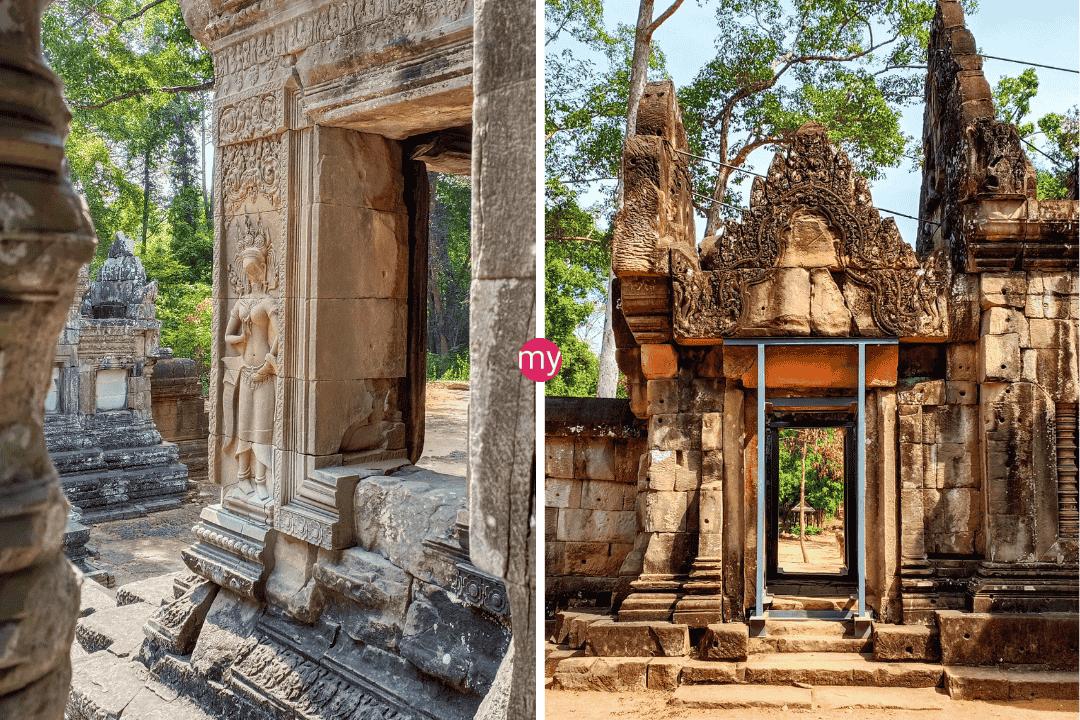
This temple is made from pink sandstone, and the carvings here are the most intricate in all of Angkor. We’re talking details so fine you can see individual strands of hair on the devata figures. It’s the only temple where you actually need to get close to appreciate the craftsmanship.
Because of the distance, this is best combined with other remote temples like Beng Mealea or Kbal Spean.
If you want a guide who knows every carving’s story, the Banteay Srei Temple Tour covers not just Banteay Srei but also the surrounding lesser-known temples.
| Remote Temple | Distance from Siem Reap | Why Visit |
|---|---|---|
| Banteay Srei | 25 km (45 minutes) | Most intricate carvings in Angkor |
| Beng Mealea | 65 km (90 minutes) | Completely jungle-covered ruins |
| Koh Ker | 120 km (2.5 hours) | Seven-tier pyramid temple |
What Other Temples Should I Visit on Day 3: Beyond Stone Structures
By Day 3, you might be templed out. That’s normal. I’ve seen people glaze over after the 15th sandstone corridor.
This is when you mix it up.
The Roluos Group: Where It All Started
The Roluos temples (Bakong, Preah Ko, and Lolei) predate Angkor Wat by 300 years. These were the first major stone temples built by the Khmer Empire, which makes them kind of like visiting Angkor’s grandparents.
Bakong is the star here: a five-tier pyramid temple that was the state temple before Angkor even existed. And because it’s 13 kilometers east of Siem Reap in the opposite direction from Angkor Wat, you’ll have the place almost to yourself.
- Bakong Temple: Five-tier pyramid, prototype for Angkor Wat design
- Preah Ko: Six brick towers dedicated to Shiva
- Lolei: Four brick towers on an artificial island (now dry land)
Floating Villages: People Live Here
Tonle Sap Lake is Southeast Asia’s largest freshwater lake, and the villages on it are entirely floating. Houses, schools, churches, basketball courts, everything on water.
Kampong Phluk is the better option compared to the touristy Chong Khneas. During wet season (June to November), the stilted houses are surrounded by flooded forest. During dry season, you walk through the village on foot and see the massive stilts holding everything 6-8 meters above the ground.
It’s a completely different side of Cambodia, and honestly, after two days of ancient stones, seeing how people actually live now gives you perspective.
The Siem Reap Floating Village Tour takes you to Kampong Phluk with a local guide who can explain how these communities function when the water level changes 8 meters between seasons.
Final Thoughts on Your Temple Journey After Angkor Wat
Angkor Wat is the headline act, but the real depth of this place comes from everything else.
Ta Prohm shows you what happens when jungle reclaims architecture. Bayon shows you the artistic evolution of Khmer sculpture. Banteay Srei shows you craftsmanship at a scale most modern builders couldn’t match.
And the remote temples, the ones that require an extra hour of driving and most tourists never see, those are where you actually feel like you’re discovering something.
This 3-day itinerary gives you the major hits, the hidden gems, and enough variety that you won’t get templed out halfway through Day 2.
Start early. Bring water. Hire a good guide who knows the stories behind the carvings.
And if you need help planning the logistics or want someone else to handle transportation, tickets, and timing, reach out through the My Siem Reap Tours contact page and we’ll sort it out.
For more temple resources and travel planning tools, check the Media and Press page for downloadable guides and maps.
Related Resources:
If you’re planning your temple visits, these resources will help you build the perfect itinerary:
- Private Angkor Wat 2-Day Tour
- 1-Day Angkor Wat Small Loop Private Tour
- 1-Day Angkor Wat Grand Loop Private Tour
- Angkor Wat and Angkor Thom Full Day Tour
- Koh Ker and Beng Mealea Guided Tour
- Kampong Phluk Floating Village Tour
- Roluos Temple Tour
- Private 3-Day Siem Reap Exclusive Tour
These tours cover everything from quick half-day temple visits to comprehensive multi-day explorations with guides who know every carving’s story.
Brought to you by Dan and Mat, Your tour planners.
Featured
Explore more on My Siem Reap Tours
Koh Ker and Beng Mealea guided tour |  Banteay Srei temple guided tour | Angkor Wat Sunrise tour | Private Angkor Wat Sunset Tour | Koh Ker and Beng Mealea guided tour | Morning Siem Reap floating village tour | Afternoon Siem Reap floating village tour | Private Angkor Wat special tour | Kulen Waterfall small group guided Tour | Private Angkor Wat mix temples photo tour Â