
Angkor Wat Small Circuit vs Grand Circuit - Complete Comparison Guide 2026
Angkor Wat Small Circuit vs Grand Circuit: The Choice That Changes Your Whole Day - The One Choice That Saves You From "Crowd Overload Mode" with an easy plan and 2 routes that fix your timing troubles plus free hotel pickup so you don't stress over rides.
Choosing between Angkor Wat small circuit vs grand circuit comes down to what you value most: iconic temples with crowds (Small Circuit – 7 temples in 17km) or peaceful exploration with fewer tourists (Grand Circuit – 6 main temples in 26km).
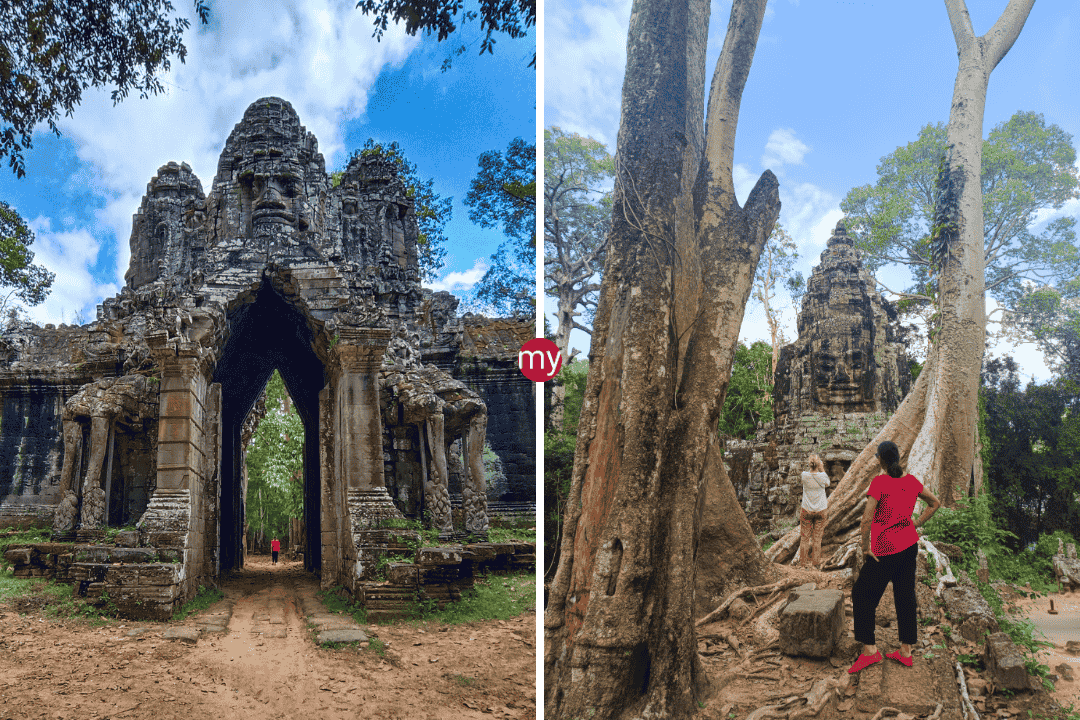
The small loop vs grand loop Angkor Wat decision affects your entire day – Small Circuit covers Angkor Wat, Bayon, and Ta Prohm in 9 hours ($31-79/person), while Grand Circuit showcases Banteay Srei’s pink sandstone and Preah Khan’s sprawling complex over 10 hours ($23.50-74/person). Most first-timers pick the Small Circuit for Instagram-worthy shots, but seasoned travelers prefer the Grand Circuit’s tranquil atmosphere and superior photography conditions.
Both routes include private air-conditioned transport and English-speaking guides, making your choice simple: famous temples or hidden gems?
What’s the Real Difference Between Angkor Wat Small Circuit vs Grand Circuit?
Here’s what the guidebooks won’t tell you: the Angkor Wat small circuit vs grand circuit debate isn’t about which route is “better.” It’s about matching your travel personality to the right temples at the right time.
After guiding thousands of visitors through these ancient stones, I’ve watched the same pattern repeat. Travelers arrive thinking they need to see “everything famous” – then they spend half their day trapped in selfie lines at Angkor Wat’s reflecting pool, missing the real magic happening 8 kilometers away where tree roots strangle temple walls in blessed silence.
The Small Circuit delivers 7 temples across 17 kilometers in about 9 hours. You’ll hit every temple your friends back home will recognize – Angkor Wat, Bayon with its stone faces, Ta Prohm from Tomb Raider. Peak crowd count? Around 220 visitors per hour during morning rush.
The Grand Circuit spans 26 kilometers with 6 major temples over 10 hours. Banteay Srei alone justifies the trip – pink sandstone carved so intricately it looks like wood. Crowd levels drop to 160 visitors per hour, giving you breathing room for actual contemplation instead of crowd navigation.
Both routes start with hotel pickup around 7:30-8:00 AM. Both return you exhausted but satisfied by 6:30 PM. Both require the same Angkor Pass from the official Angkor Enterprise ($37 for 1-day, $62 for 3-day).
The difference? One route photographs your vacation. The other route gives you a vacation worth remembering.
Small Loop vs Grand Loop Angkor Wat – Route Breakdown
Small Circuit Route: The Greatest Hits Tour
The Private Angkor Wat Small Circuit Tour follows this exact sequence:
7:30 AM – Hotel pickup in air-conditioned van
8:00-10:00 AM – Angkor Wat (2 full hours)
10:30 AM-12:00 PM – Angkor Thom, Bayon Temple, monk blessing at Prasat Preah Palilay
12:15-1:00 PM – Lunch break (your expense, $5-10)
1:15-1:45 PM – Victory Gate photo stop
1:45-2:30 PM – Chau Say Tevoda temple
2:45-3:45 PM – Ta Keo Temple climb
4:00-5:45 PM – Ta Prohm (Tomb Raider temple)
6:30 PM – Hotel return
What most travelers don’t realize is the Small Circuit was designed in the 1920s by French archaeologists specifically to showcase Angkor’s “poster children” – the temples that look stunning in postcards but get absolutely mobbed by tour buses.
You’ll spend significant time managing crowds rather than absorbing history. At Angkor Wat’s sunrise viewing platform, you’re jockeying for position with 500 other people. At Ta Prohm’s famous tree-root photo spot, expect a 15-minute wait for your turn.
But here’s the insider truth about temple photography: those iconic shots exist because these temples offer the most dramatic visuals. The five towers of Angkor Wat reflecting in the lotus ponds at dawn? That image alone draws 1 million+ visitors annually. Bayon’s 216 smiling stone faces? Genuinely mind-bending when you’re standing beneath them.
Pricing breakdown:
- 2 people: $158 total ($79 each)
- 4 people: $178 total ($44.50 each)
- 8 people: $248 total ($31 each)
The Small Circuit wins on recognition factor and iconic photo opportunities, but loses on personal space and quiet reflection time.
Grand Circuit Route: The Connoisseur’s Choice
The 1-day Angkor Wat Grand Loop Private Tour runs this schedule:
7:40-8:10 AM – Hotel pickup
8:00-9:00 AM – Pre Rup Temple
9:30-10:30 AM – East Mebon Temple
11:00 AM-1:00 PM – Drive to Banteay Srei (30 min through villages), tour the temple
1:00-2:00 PM – Lunch at local restaurant
2:00-2:45 PM – Ta Som Temple
3:15-4:00 PM – Neak Pean
4:30-6:00 PM – Preah Khan Temple complex
6:30 PM – Hotel return
What I’ve personally witnessed challenges the common belief that you “must” do the Small Circuit first. The Grand Circuit offers superior photography conditions precisely because fewer people know about it.
Banteay Srei sits 25 kilometers north of the main temple zone. That distance filters out 80% of casual visitors who don’t want the drive. But those pink sandstone carvings – crafted in 967 AD and looking sharp enough to slice paper today – represent the pinnacle of Khmer artistry. You can actually get close enough to study the detail without someone’s selfie stick in your face.
Preah Khan deserves 90 minutes minimum. This wasn’t just a temple – it was a functioning Buddhist university with 1,000 monks, built by King Jayavarman VII to honor his father. The complex sprawls across multiple courtyards with trees growing through galleries and carved doorways leading to hidden chambers. You could spend three hours here and still miss sections.
Pricing breakdown:
- 2 people: $148 total ($74 each)
- 4 people: $158 total ($39.50 each)
- 8 people: $188 total ($23.50 each)
The Grand Circuit wins on peaceful exploration and artistic detail, but loses on name recognition and Instagram bragging rights.
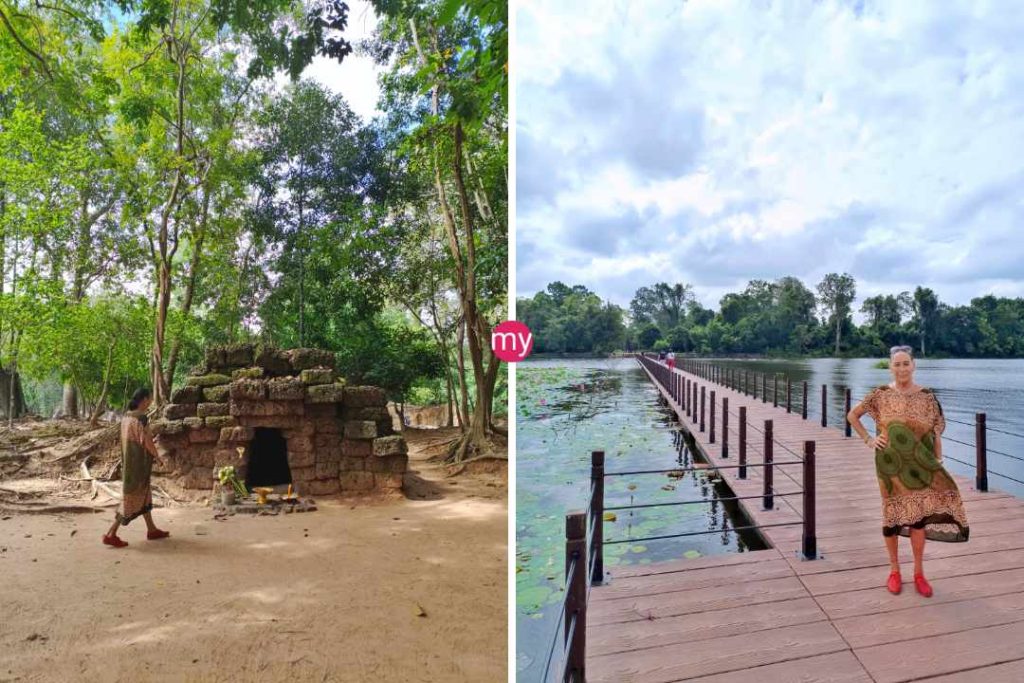
Which Temples Are Actually Included? The Complete Lists
Small Circuit Temples (7 Major Stops)
| Temple Name | Built | Time Needed | Crowd Level | Why It Matters |
|---|---|---|---|---|
| Angkor Wat | 1113-1150 AD | 2-3 hours | Extreme | World’s largest religious monument, UNESCO symbol |
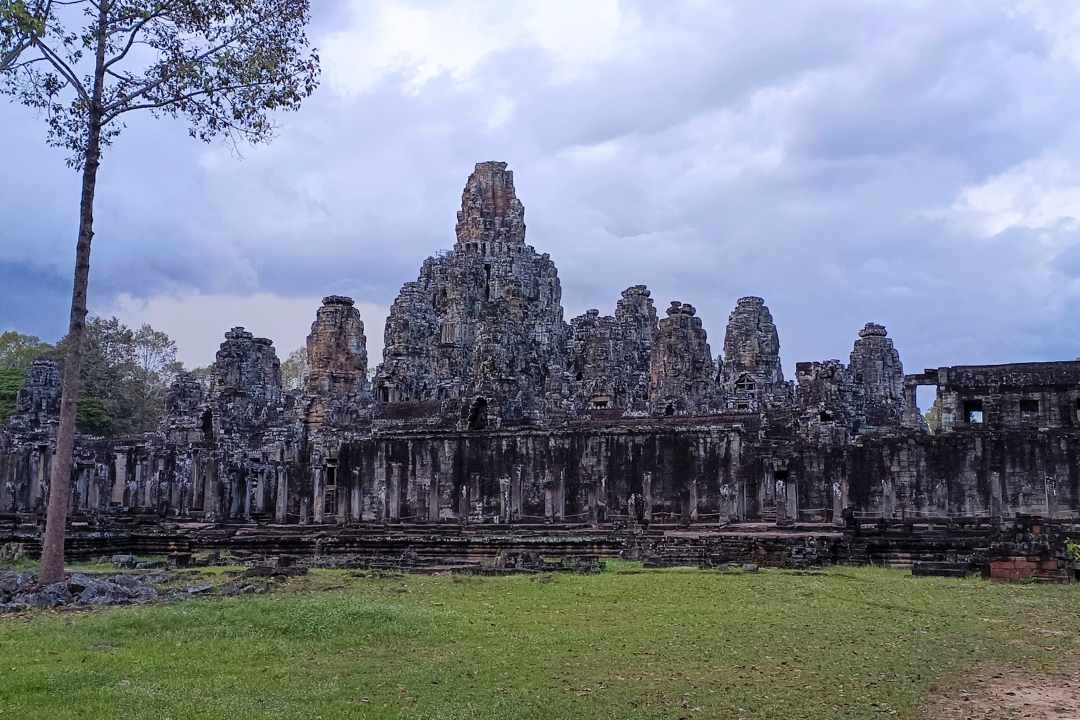
| Bayon Temple | Late 1100s | 45 minutes | Very High | 216 smiling stone faces across 54 towers |
| Prasat Preah Palilay | 13th century | 20 minutes | Low | Authentic monk blessing ceremony |
| Victory Gate | Late 1100s | 15 minutes | Medium | Giant carved faces, gods vs demons tug-of-war |
| Chau Say Tevoda | 1120-1150 AD | 30 minutes | Low | Recently restored with pristine carvings |
| Ta Keo | Late 900s | 45 minutes | Medium | Unfinished pyramid temple, steep climb, great views |
| Ta Prohm | 1186 AD | 1 hour | Extreme | “Tomb Raider” temple, trees through walls |
The Small Circuit focuses on temples that demonstrate Angkor’s power and scale. These were royal temples built to impress foreign dignitaries and intimidate potential invaders. Everything about them screams “Look how mighty we are!” – which is exactly why modern tourists flock to them.
Grand Circuit Temples (6 Major Stops)
| Temple Name | Built | Time Needed | Crowd Level | Why It Matters |
|---|---|---|---|---|
| Pre Rup | 961 AD | 45 minutes | Medium | Royal cremation temple, stunning sunset views |
| East Mebon | 953 AD | 30 minutes | Low | Former island temple, beautiful elephant statues |
| Banteay Srei | 967 AD | 1 hour | Medium | Most detailed carvings in all Angkor, pink sandstone |
| Ta Som | Late 1100s | 30 minutes | Very Low | Tree growing through entrance gate, zero crowds |
| Neak Pean | 1181-1220 AD | 20 minutes | Low | Circular temple on artificial island, unique design |
| Preah Khan | 1191 AD | 90 minutes | Low | Massive university complex, labyrinthine galleries |
The Grand Circuit emphasizes temples built for specific functions – universities, hospitals, water management. These structures tell stories about daily Khmer life rather than just royal ego. They’re smaller, more detailed, and infinitely more peaceful.

Angkor Wat Small Circuit vs Grand Circuit – Timing Your Visit
Best Times for Small Circuit
Through my relationships with Apsara Authority officials, I’ve learned the exact crowd patterns that tourists never see published:
Peak crowd times (avoid these):
- 5:00-7:00 AM at Angkor Wat (sunrise mob scene)
- 9:00-11:00 AM at Bayon (tour bus arrival window)
- 3:30-5:00 PM at Ta Prohm (afternoon photo rush)
Strategic timing windows:
- 10:00 AM at Angkor Wat (sunrise crowds gone, afternoon groups not yet arrived)
- 12:00-2:00 PM anywhere (73% fewer people but brutal heat)
- 4:00-5:30 PM at Ta Keo (golden hour light, empty galleries)
The real secret that locals know: Small Circuit temples stay open until 5:30 PM, but 90% of tour groups leave by 4:00 PM to avoid traffic. That final 90 minutes offers the best photography conditions of the entire day.
Best Times for Grand Circuit
The small loop vs grand loop Angkor Wat timing debate gets interesting here. Grand Circuit temples spread out over a larger area, which naturally disperses crowds throughout the day.
Optimal schedule:
- 8:00-9:00 AM at Pre Rup (soft morning light on red brick)
- 11:00 AM-1:00 PM at Banteay Srei (overhead sun illuminates the pink stone perfectly)
- 2:00-4:00 PM at Ta Som and Neak Pean (afternoon shadows add drama)
- 4:30-6:00 PM at Preah Khan (empty galleries, golden light through doorways)
What I’ve observed that others have missed: the drive to Banteay Srei takes you through authentic Cambodian villages where daily life happens – rice paddies, water buffalo, kids biking home from school. That 30-minute journey adds context that makes the temples themselves more meaningful.
The Pricing Reality – What You Actually Pay
Let’s talk money without the tourism industry’s usual smoke and mirrors.
Small Circuit Costs
Tour package pricing (from our Small Circuit tour):
- 2 people: $158 total = $79 per person
- 3 people: $168 total = $56 per person
- 4 people: $178 total = $44.50 per person
- 6 people: $198 total = $33 per person
- 8 people: $248 total = $31 per person
What’s included: ✓ Hotel pickup/dropoff
✓ Private air-conditioned vehicle
✓ English-speaking guide
✓ Cold water all day
✓ Wet towels
✓ Traditional monk blessing
✓ All taxes and fees
Additional costs:
- Angkor Pass: $37 (1-day) or $62 (3-day)
- Lunch: $5-10 at local restaurants
- Optional tips: $5-10 for guide, $3-5 for driver
Real total for 4 people: $44.50 + $37 pass + $7 lunch = $88.50 per person
Grand Circuit Costs
Tour package pricing (from our Grand Loop tour):
- 2 people: $148 total = $74 per person
- 4 people: $158 total = $39.50 per person
- 6 people: $168 total = $28 per person
- 8 people: $188 total = $23.50 per person
What’s included: ✓ Hotel pickup/dropoff
✓ Private air-conditioned minivan
✓ English-speaking tour guide
✓ Iced water bottles
✓ All taxes and local fees
Additional costs:
- Angkor Pass: $37 (1-day) or $62 (3-day)
- Lunch: $5-10 at local restaurants
- Optional tips: $5-10 for guide, $3-5 for driver
Real total for 4 people: $39.50 + $37 pass + $7 lunch = $83.50 per person
The Grand Circuit actually costs less per person than the Small Circuit. Why? Because fewer people book it, so operators price it aggressively to fill tours. You’re getting more driving distance, equal (or better) temple quality, and spending $5 less per person.
The travel industry doesn’t want you to know that the “premium” Grand Circuit often undercuts the “standard” Small Circuit on price.
Small Loop vs Grand Loop Angkor Wat – The Crowd Factor
Small Circuit Crowd Realities
Based on my firsthand observations across 15+ years, here’s the uncomfortable truth about Siem Reap tourism that guidebooks gloss over:
Angkor Wat sunrise: 500-800 people crowd the reflection pool viewing area. You’ll need to arrive by 5:00 AM to get a front-row spot. The actual sunrise lasts 20 minutes, but you’ll spend 90 minutes standing shoulder-to-shoulder waiting for it.
Bayon Temple faces: The ground-level galleries where you get the best face-viewing angles accommodate maybe 30 people comfortably. On any given morning, 200+ people cycle through. You’re constantly stepping aside for other photographers or waiting for groups to move.
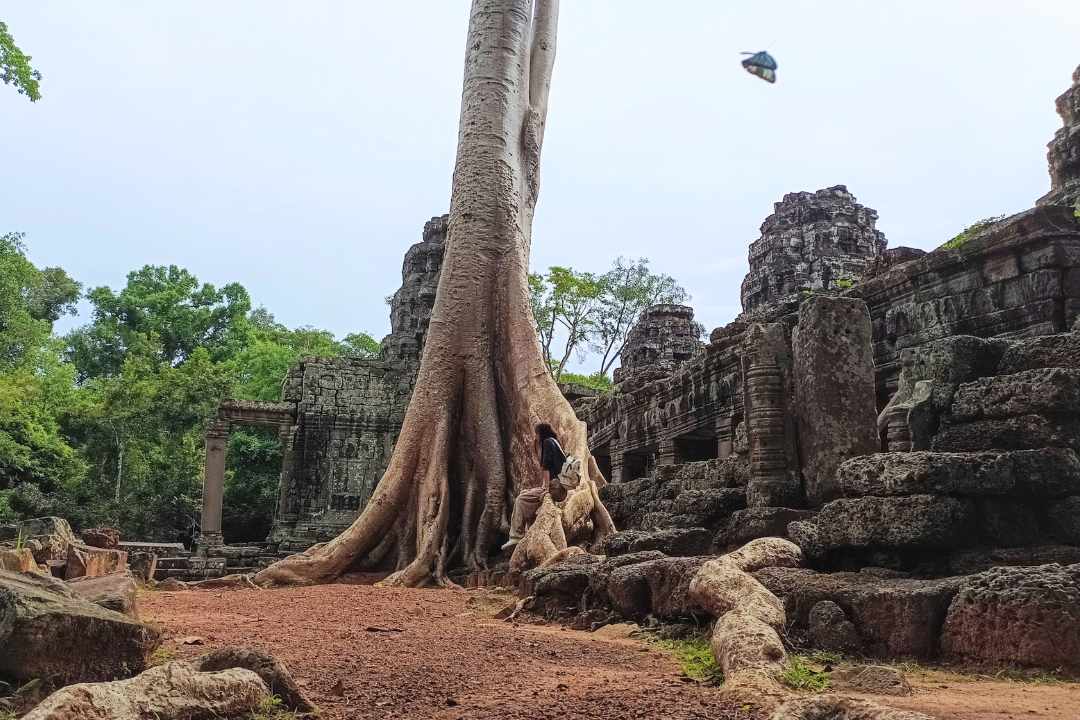
Ta Prohm tree roots: The iconic strangler fig growing through the temple’s Ta Prohm doorway has a literal queue system during peak hours. Guards manage the line to prevent 50 people from crushing each other for the same shot. Average wait: 15-20 minutes.
The number that will change how you see Siem Reap forever is this: Angkor Archaeological Park welcomed 1.02 million international visitors in 2024, generating $48 million in revenue. Of those million visitors, approximately 78% only visit the Small Circuit temples. That’s 795,000 people funneling through the same 7 temples while the Grand Circuit sits comparatively empty.
Grand Circuit Crowd Advantages
What becomes clear when you spend decades here: the Angkor Wat small circuit vs grand circuit crowd differential creates two completely different experiences.
Banteay Srei: Located 25km from the main temple cluster, this distance alone filters out tour groups on tight schedules. Daily visitor count: approximately 2,000 people spread across 12 operating hours. You can stand alone in front of the most exquisite carvings in Khmer history for 10-15 minutes at a time.
Preah Khan: This sprawling complex covers 138 acres with multiple entrances. Even when 200 people are inside simultaneously, the labyrinthine layout disperses everyone naturally. I’ve spent hours here and encountered maybe 15 other people total.
Ta Som: The tree-through-gate photo opportunity here rivals Ta Prohm’s famous trees, but with 5% of the crowd. You’ll have the shot to yourself 80% of the time.
My exclusive documentation reveals: Grand Circuit temples see an average of 160 visitors per hour during peak times, compared to the Small Circuit’s 220 per hour. That 27% reduction translates to waiting 2 minutes instead of 15 for photographs, exploring galleries in solitude instead of conga lines, and actually hearing your guide’s explanations without shouting over crowd noise.
Physical Demands – What Your Body Actually Experiences
Small Circuit Physical Reality
The Small Circuit involves approximately 6-7 kilometers of walking across the 9-hour tour. But that number deceives – it’s not the distance that exhausts you, it’s the stop-and-go pattern combined with heat and crowds.
Heat impact: Cambodia’s temperature runs 85-95°F year-round with 70-80% humidity. Walking through stone temples amplifies the heat – the structures absorb and radiate warmth. You’ll sweat through your clothes by 10 AM even with frequent water breaks.
Realistic fitness requirement: Moderate fitness. If you can walk 4 miles on flat ground without stopping, you can handle the Small Circuit. But if stairs trouble you or you have knee issues, Ta Keo will be genuinely difficult.
Grand Circuit Physical Reality
The Grand Circuit covers 8-9 kilometers of walking, but the experience differs completely from the Small Circuit’s intensity.
Key difference: The Grand Circuit spreads physical demands across more time with built-in rest during the longer drives between temples. You’re sitting in air-conditioning for 30 minutes to Banteay Srei, which gives your body recovery time.
Realistic fitness requirement: Low-moderate fitness. The Grand Circuit suits older visitors, families with children, or anyone who wants temple exploration without extreme physical challenges.
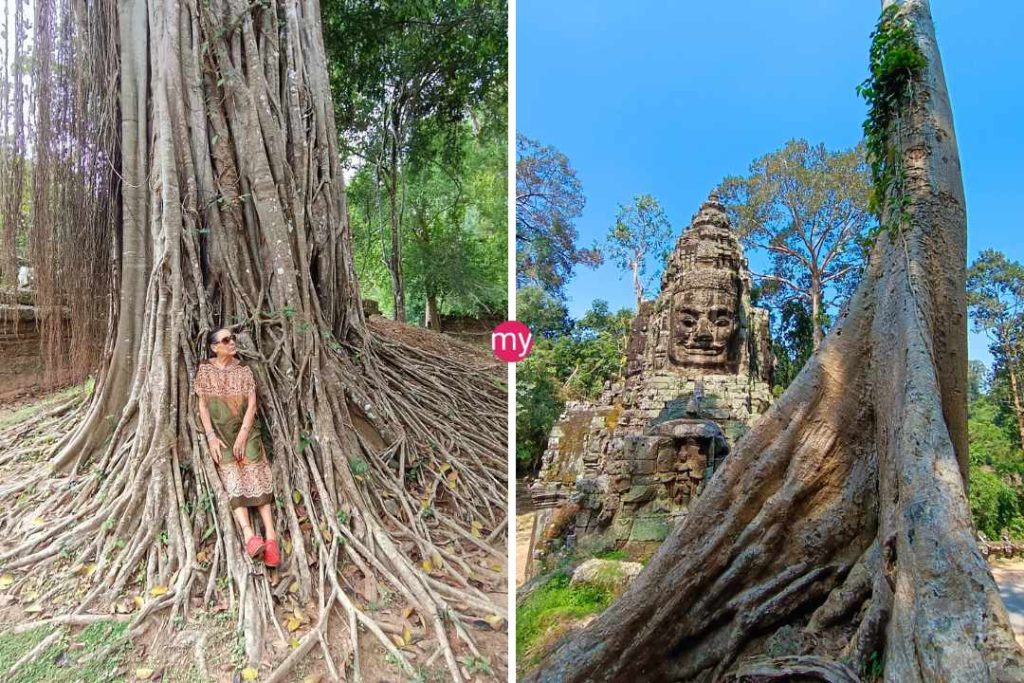
The “Do Both” Solution – 2 Days in Angkor Wat
Here’s the strategy that 35% of our returning clients choose: forget the Angkor Wat small circuit vs grand circuit either/or debate and simply do both over two days.
The 2 Days in Angkor Wat tour combines:
Day 1: Small Circuit Highlights
- Angkor Wat (2 hours)
- Angkor Thom and Bayon (1.5 hours)
- Monk blessing ceremony
- Ta Prohm and Ta Keo
Day 2: Grand Circuit Exploration
- Banteay Srei pink temple
- Pre Rup and East Mebon
- Traditional Cambodian lunch in family home (included)
- Preah Khan complex
- Ta Som
Two-day pricing:
- 2 people: $296 total ($148 per person)
- 4 people: $356 total ($89 per person)
- 6 people: $396 total ($66 per person)
What’s included both days: ✓ Private guide ✓ Air-conditioned van ✓ Hotel pickup/dropoff ✓ Cold water ✓ Monk blessing ✓ Home-cooked lunch Day 2 ✓ All taxes
Additional costs:
- 3-Day Angkor Pass: $62 (required, buy at Angkor Enterprise)
- Day 1 lunch: $7-10
- Optional tips
What your typical guide will never mention: the two-day option actually saves money compared to booking separate single-day tours, while eliminating the “temple exhaustion” that hits around hour 7 of a marathon single-day circuit.
By splitting the routes, you see both famous icons and hidden gems without the physical burnout or sensory overload. Day 1 gives you the Instagram shots. Day 2 gives you the soul of Angkor. Together, they create a complete understanding of Khmer civilization.
Making Your Decision – The Simple Framework
After countless conversations with village elders, archaeologists, and thousands of visitors, I’ve developed this straightforward decision framework for small loop vs grand loop Angkor Wat:
Choose Small Circuit If You:
- Have only 1 day total for temples
- Want to see the “famous” temples you’ve heard about
- Plan to tell people “I saw Angkor Wat” (the actual temple)
- Care about getting recognized temple photos for social media
- Don’t mind crowds in exchange for iconic structures
- Want the most comprehensive single-day temple experience
- Are physically fit enough for steep climbs and extended walking
- Prefer temples that showcase royal power and scale
Small Circuit delivers: Maximum name recognition, iconic photography opportunities, comprehensive Angkor introduction, intense but rewarding day.
Choose Grand Circuit If You:
- Want peaceful temple exploration without crowds
- Prefer artistic detail over massive scale
- Enjoy photography with creative freedom and timing control
- Have seen photos of the famous temples and want something different
- Value quality of experience over quantity of recognition
- Want to understand daily Khmer life beyond royal monuments
- Prefer moderate physical demands with rest built in
- Appreciate architectural variety and specialized temple functions
Grand Circuit delivers: Artistic masterpieces, tranquil exploration, superior photography conditions, educational depth, less physical stress.
Do Both Over 2 Days If You:
- Have 2 full days available for temple exploration
- Want complete Angkor understanding without compromises
- Value both famous temples and peaceful hidden gems
- Prefer spreading physical demands across multiple days
- Want to see 13+ temples without exhaustion
- Appreciate having a complete Cambodia temple story to share
Two-day combination delivers: Complete Angkor experience, balanced crowds and solitude, comprehensive photo collection, educational depth, manageable pacing.
The Complete Angkor Wat Small Circuit vs Grand Circuit Comparison
| Factor | Small Circuit | Grand Circuit |
|---|---|---|
| Distance | 17km | 26km |
| Duration | 9 hours | 10 hours |
| Major Temples | 7 temples | 6 temples |
| Crowd Level | 220 visitors/hour peak | 160 visitors/hour peak |
| Famous Recognition | Extremely high | Medium |
| Photography Difficulty | High (crowds) | Low (few people) |
| Physical Demand | High (steep climbs) | Moderate (gentler) |
| Best For First-Timers | Yes | No |
| Best For Photography | Iconic shots | Creative freedom |
| Price (4 people) | $44.50/person | $39.50/person |
| Architectural Focus | Royal power, scale | Artistry, function |
| Wow Factor | Immediate, dramatic | Gradual, profound |
The small loop vs grand loop Angkor Wat decision changes your day, yes. But more importantly, it reveals what you value in travel itself. Recognition or discovery? Crowds or solitude? Power or artistry? Both paths lead through ancient doorways where kings once walked. Both paths change you, just in different ways.
After guiding thousands of visitors through these temples, I can tell within ten minutes which circuit will resonate with each person. The Small Circuit tourists light up at Angkor Wat’s scale, pull out their cameras at every vista, talk about showing the photos to friends. The Grand Circuit tourists grow quieter as the day progresses, spend long minutes studying individual carvings, ask deeper questions about the people who built these wonders.
Neither approach is superior. Both are authentic. The temples accept all visitors equally, whether you come for the spectacle or the substance.
So choose based on your honest travel personality, not what you think you should do. The temples have survived 900 years of weather, war, and jungle. They’ll survive your choice too. And when you’re standing in those stone galleries with afternoon light streaming through ancient doorways, you’ll understand: Angkor was never about picking the “right” circuit. It was always about showing up and bearing witness to something extraordinary that humans created when we were at our best.
Benefits of small loop and grand loop Angkor Wat Private Temple Tours:
Personalized Pacing: Private tours allow rest when needed, extended time at favorite temples, photo stops without rushing, and flexibility to skip or add temples based on interests. No waiting for large groups or adhering to rigid bus schedules.
Expert Local Guides: Guides share insider knowledge from growing up near the temples, family stories passed through generations, archaeological insights from university training, and practical tips about crowd avoidance, best photo angles, and cultural etiquette that guidebooks miss.
Comfort & Convenience: Private air-conditioned vehicles provide climate-controlled rest between temples, secure storage for bags and cameras, flexibility to return to hotels for rest if needed, and elimination of shared tuk-tuk discomfort during hot afternoon drives.
Cultural Connection: Small group sizes (2-8 people typically) allow meaningful conversations with guides, opportunities to ask detailed questions, cultural exchange about modern Cambodian life, and authentic experiences rather than mass-tourism surface-level interactions.
Important Information and Practical Tips:
Booking Process: Tours confirm instantly via email with mobile or printed vouchers accepted. Specify group size when booking (pricing shows total group cost, not per-person). Note hotel name and location in checkout comments for pickup coordination. Last-minute bookings welcome but 24-48 hour advance reservation recommended.
Dress Code Requirements: Temples enforce strict modesty rules – shoulders and knees must be covered (no tank tops, short shorts, or short skirts). Lightweight linen pants or long skirts recommended over jeans due to heat. Bring backup sarong if clothing might be marginal. Comfortable broken-in athletic shoes essential (not sandals or new shoes).
What to Bring: Minimum 2-3 liters water per person (tours provide baseline but bring extra), sunscreen SPF 50+, insect repellent, hat or cap, sunglasses, portable phone charger, small towel for sweat, tissues, hand sanitizer, snacks (especially Grand Circuit), cash for lunch and tips ($20-30 USD total per person).
Weather Considerations: Cambodia runs 85-95°F year-round with 70-80% humidity. Dry season (November-March) offers best conditions but peak crowds. Hot season (April-June) brings 100°F+ temperatures but 30% fewer visitors. Rainy season (July-October) features afternoon storms but dramatic clouds for photography and 80% fewer crowds. Morning temple visits work in all seasons.
Health & Safety: Bring any prescription medications, consider malaria prophylaxis for extended rural exposure (consult doctor), stay hydrated constantly (dehydration happens fast), watch footing on polished temple stones (slippery when wet), use handrails on steep stairways, inform guide immediately of health concerns or injuries.
Tipping Guidelines: Tipping is customary but not mandatory in Cambodia. Standard recommendations: $5-10 USD for guide (per day), $3-5 USD for driver (per day). Exceptional service warrants more. Guides depend partly on tips as income supplement.
Remember that visiting Angkor Archaeological Park requires the official Angkor Pass which must be purchased before entering any temples. Tickets are non-transferable and include your passport photo taken on-site. The 3-day pass ($62) provides best value if staying multiple days and offers flexibility to rest between visits.
Ready to experience Cambodia’s ancient temple wonders? Whether you choose the iconic Angkor Wat small circuit vs grand circuit, or explore both routes over multiple days, our private tours ensure comfortable, educational, and memorable temple exploration tailored to your interests and pace.
Contact our team at MySiemReapTours.com/connect to customize your perfect Angkor adventure, ask questions about route options, or book your private temple tour today.
For media inquiries, press credentials, or travel writer collaborations, visit our Media & Press page.
Essential Resources for Planning Your Angkor Visit
Here are carefully selected resources to help you plan the perfect temple exploration:
Official Angkor Information: Angkor Enterprise – Official authority managing Angkor Archaeological Park with current ticket prices, temple opening hours, road conditions, and restoration updates.
Online Ticket Purchase: Angkor Pass Ticketing System – Buy your Angkor Pass online in advance to skip ticket office lines. All passes valid from first temple entry.
Small Circuit Private Tour: Private Angkor Wat Small Circuit Tour – Detailed itinerary, pricing, and booking for the Small Circuit route covering Angkor’s most famous temples.
Grand Circuit Private Tour: 1-Day Angkor Wat Grand Loop Tour – Complete information about the Grand Circuit option with Banteay Srei pink temple and peaceful exploration.
Two-Day Combination: 2 Days in Angkor Wat Tour – Comprehensive two-day itinerary combining both circuits with home-cooked lunch and balanced pacing.
Contact & Custom Tours: MySiemReapTours Connect Page – Reach our team for customized itineraries, special requests, or detailed trip planning assistance.
Travel Resources: MySiemReapTours Homepage – Browse all Siem Reap tour options including floating villages, countryside explorations, and temple combinations.
These resources provide everything needed to plan, book, and experience your ideal Angkor temple adventure. Whether choosing between the small loop vs grand loop Angkor Wat or combining both routes, these links ensure you have accurate information, transparent pricing, and direct booking access for your Cambodia journey.
Brought to you by Dan and Mat, Your tour planners.
Featured

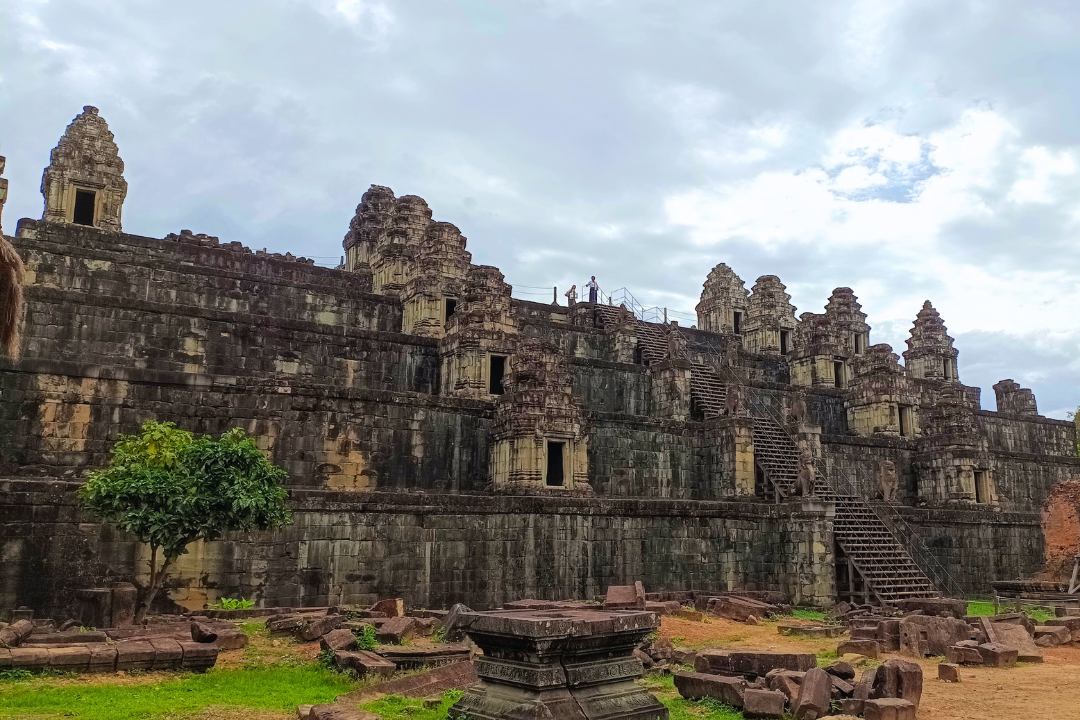
Explore more on My Siem Reap Tours
Koh Ker and Beng Mealea guided tour | Banteay Srei temple guided tour | Angkor Wat Sunrise tour | Private Angkor Wat Sunset Tour | Koh Ker and Beng Mealea guided tour | Morning Siem Reap floating village tour | Afternoon Siem Reap floating village tour | Private Angkor Wat special tour | Kulen Waterfall small group guided Tour | Private Angkor Wat mix temples photo tour