Your Slow Travel 3-Day Itinerary: Combining Temples, Countryside, and Floating Villages
Slow Travel 3 Day Itinerary After Angkor Wat: Temples, Tonle Sap Floating Village, and Countryside Cambodia (Private Tours, Afternoon Starts)
This slow travel 3 day itinerary replaces rushed bus tours with private experiences that teach you what Angkor Wat actually means and how Cambodians really live. Day 1 takes you through temples at golden hour with monk blessings and empty corridors for photos. Day 2 gives you proven recovery time because even travelers need rest. Day 3 brings you to Tonle Sap Lake floating villages where entire communities live on 8-meter stilts, plus stunning countryside sunsets over rice paddies.Â
This complete slow travel 3 day itinerary costs $271-383 for couples with private guides, afternoon starts, and zero 4:30am wake-up calls.
Monks tie strings around your wrist, fishermen live above the water, and you finally get what the temples mean!
If you want to actually understand Cambodia instead of just photographing it, this is how you spend three days after Angkor Wat. No rushing. No bus tours where you’re herded between temples on a schedule. Just three carefully spaced experiences that show you different sides of Siem Reap.
This itinerary assumes you’ve already done your Angkor Wat sunrise on an earlier day. Now you’re ready to go deeper.
Day 1: Temples at Golden Hour (Angkor Wat Sunset Tour)
Duration: 10 hours (8:30am to 7:00pm)
Cost: $155 USD for 2 people, $165 for 3, $175 for 4
What’s included: Private guide, AC minivan, water, cold towels, monk blessing
Start your slow travel journey with the Angkor Wat Sunset Tour, which gives you a full day to explore what other temples should I visit after Angkor Wat without the brutal sunrise wake-up call.
8:20am to 8:30am: Hotel pickup. Your guide meets you in the lobby while you’re still drinking your second coffee, not stumbling around in the dark at 4:30am.
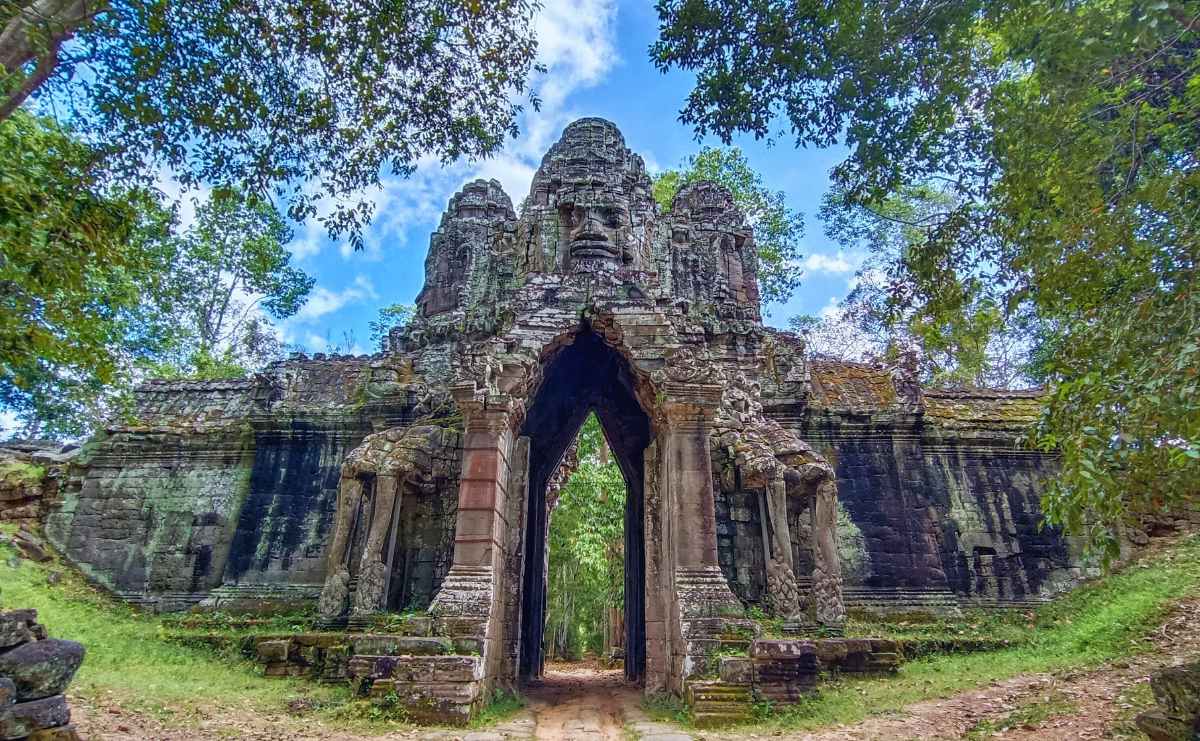
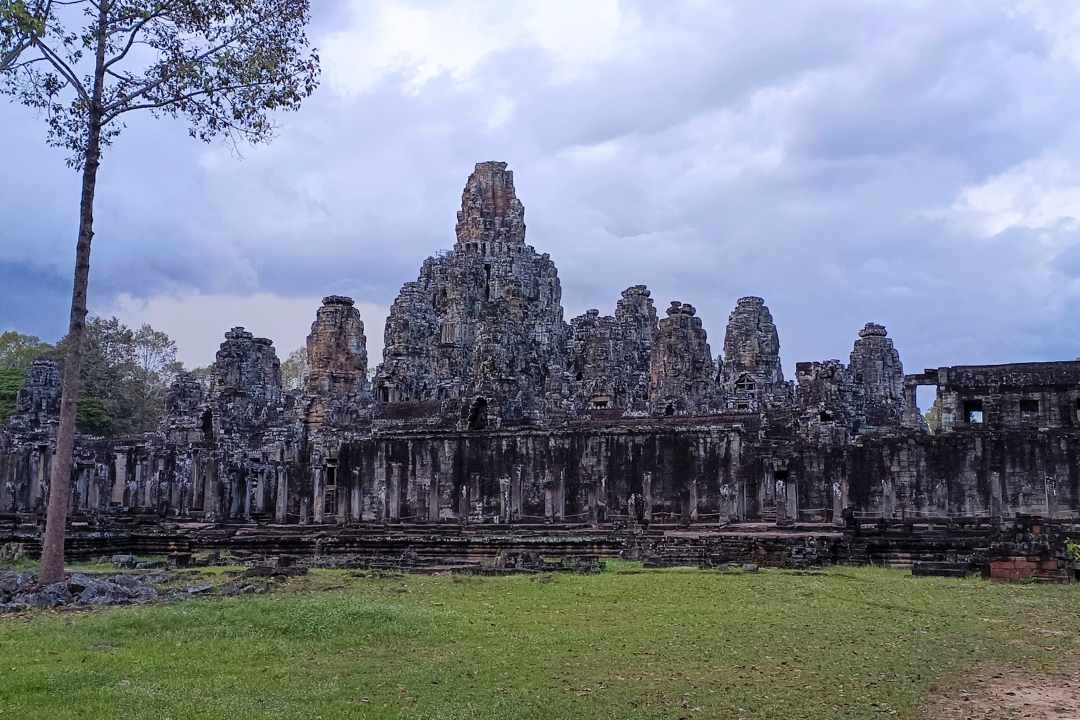
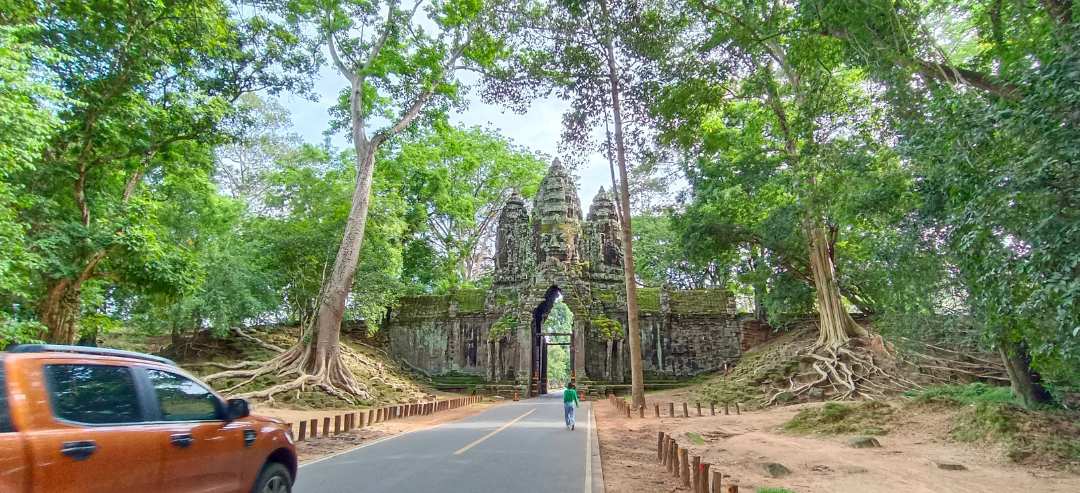
9:00am: Start at Angkor Thom with Bayon Temple. Those 216 smiling stone faces look different at mid-morning when the sun hits them from the side. The tourists who came for sunrise have mostly left by now. You get the place without the crowds.
10:30am: Walk the ancient royal road to Baphuon Temple, Phimeanakas, Terrace of the Elephants. Most tours skip these because they’re rushing to fit everything in before noon. You’re not rushing anywhere.
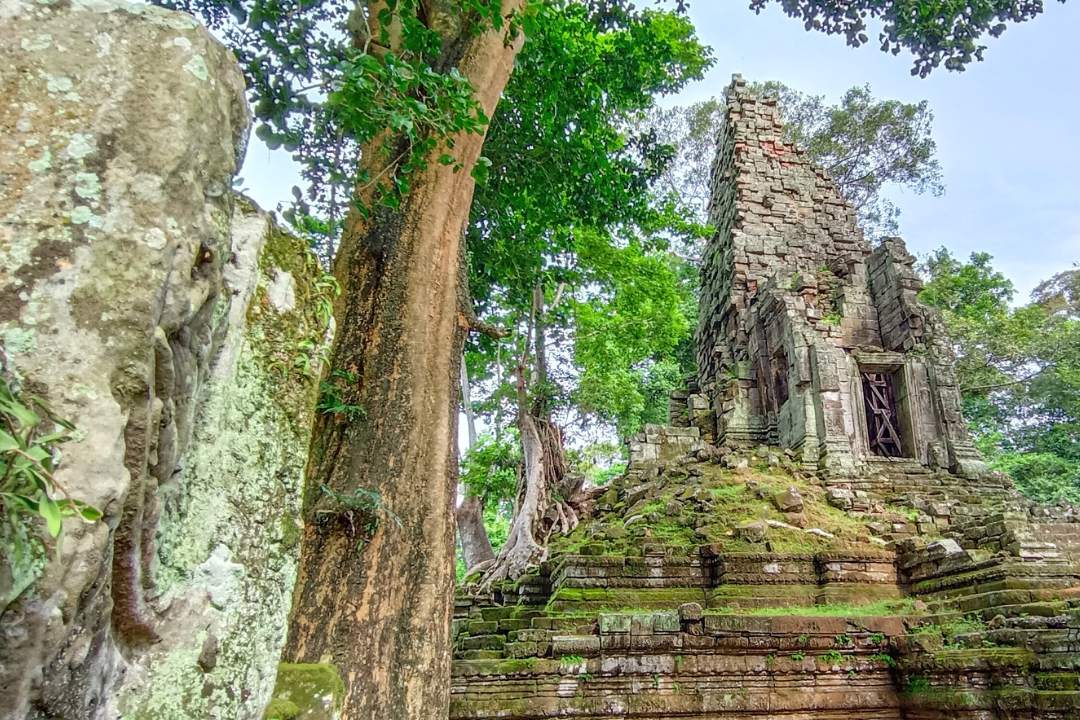
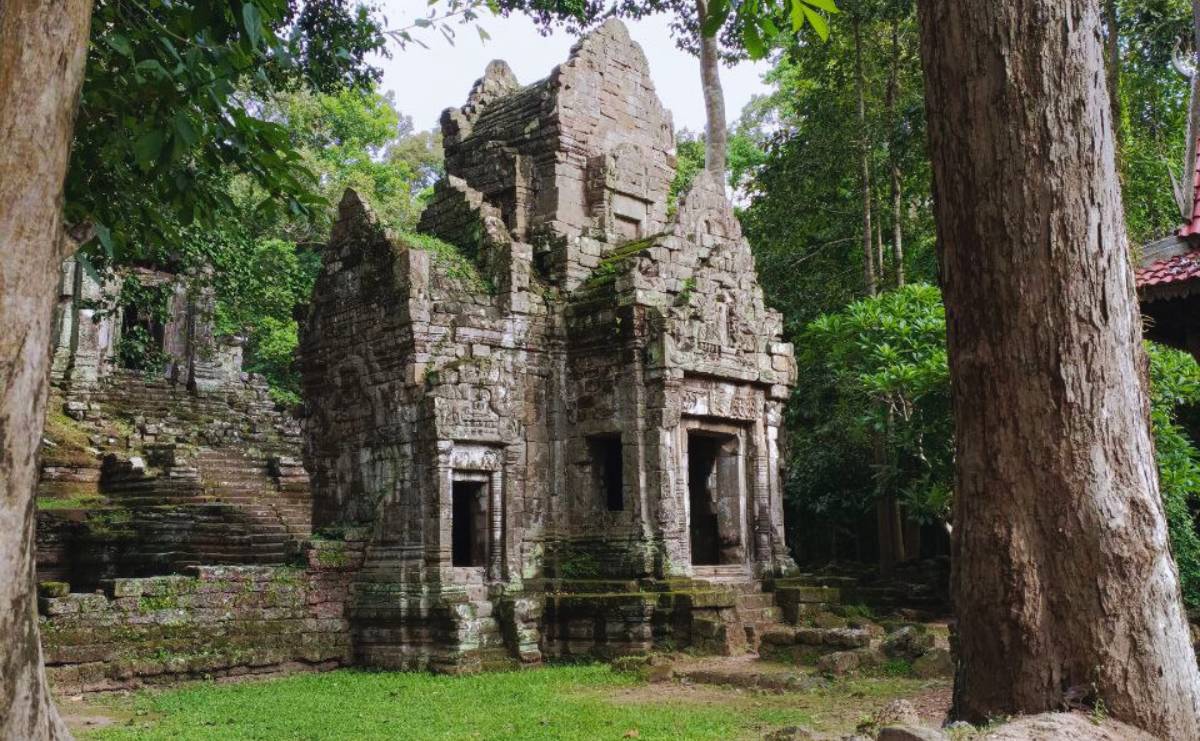
11:00am: Prasat Preah Palilay Temple, one of the hidden gems that rarely makes it onto tour itineraries. A working pagoda inside Angkor Thom where monks still pray. Your guide arranges a private blessing from one of the monks. They tie a red string around your wrist and chant blessings for your safety and health. It takes maybe five minutes, but you’ll remember it longer than any temple photo.
12:30pm: Lunch break near Ta Prohm. Not a tourist buffet, an actual restaurant where your guide suggests dishes you’ve never heard of. Take your time. This is slow travel. Nobody’s tapping their watch.
2:00pm to 4:00pm: Ta Prohm Temple, the Tomb Raider temple where tree roots strangle ancient stones. By afternoon, the tour groups have moved on. You get those iconic shots without 50 people photobombing your frame. Spend as long as you want wandering the corridors. Your guide knows the quiet corners where you can sit and just absorb the atmosphere.
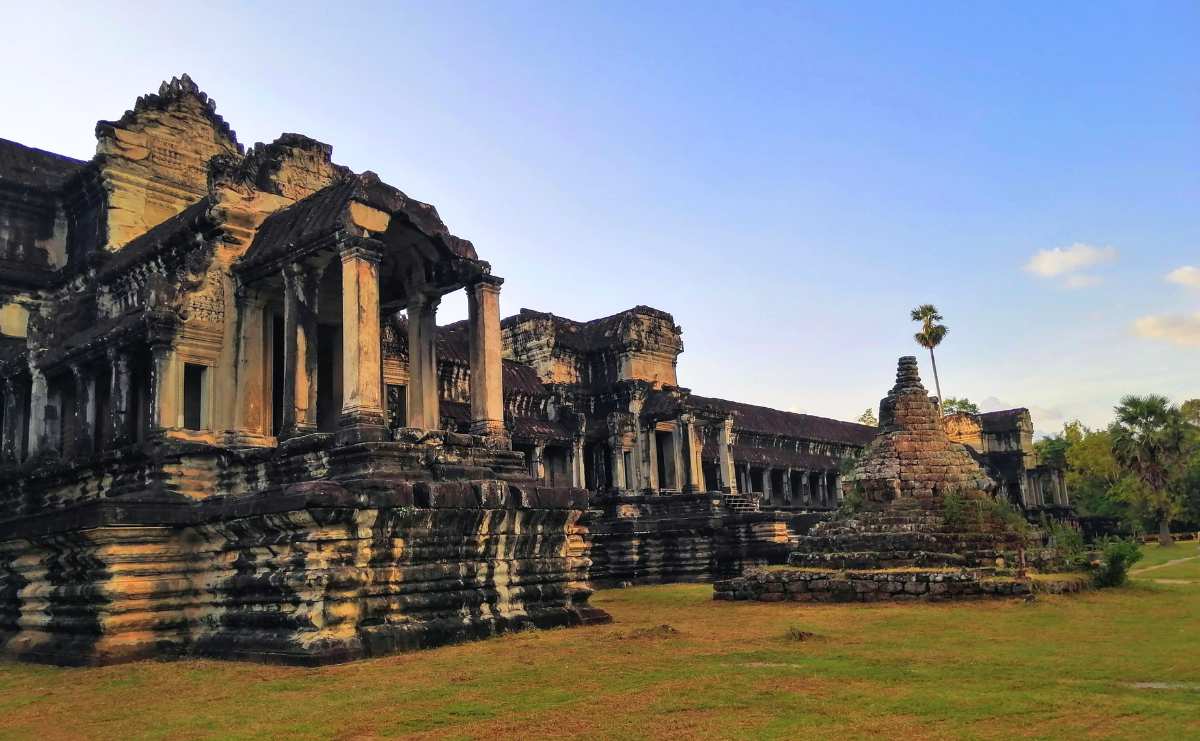
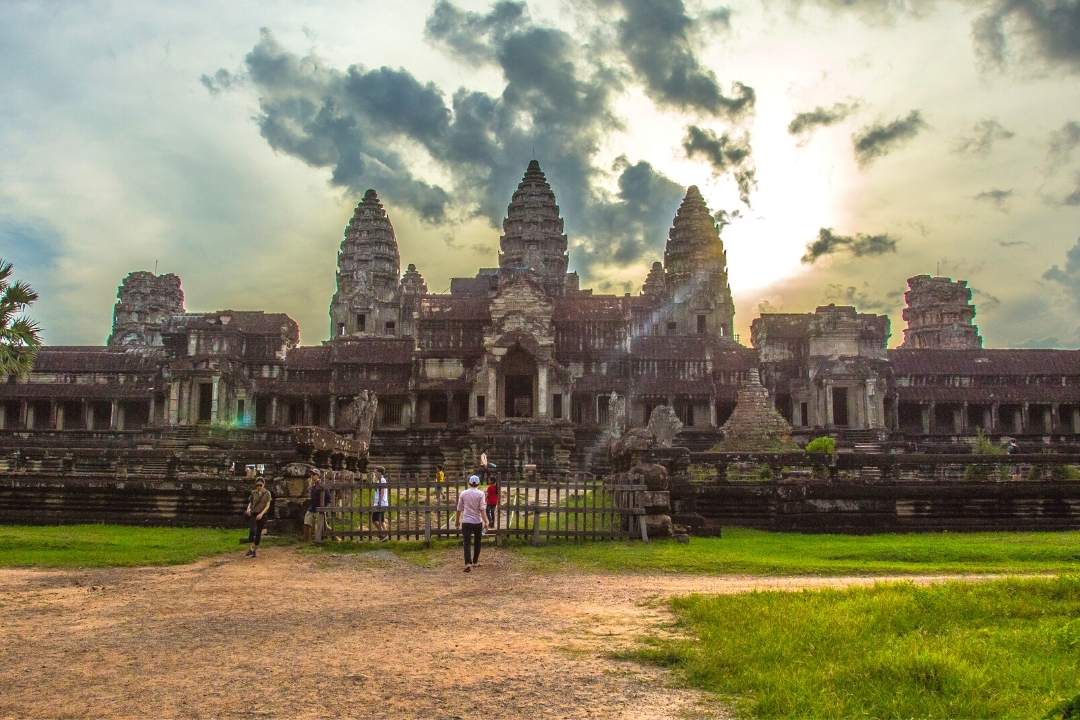
4:30pm: Angkor Wat, but not the way you saw it at sunrise. The afternoon light is warmer, softer. The galleries are emptier. You can actually walk through the bas-relief corridors and read the stories carved into the walls without being pushed along by crowds.
5:30pm: Drive to Phnom Bakheng Hill for sunset. Yes, there are other people here, but the view is worth it. Watch Angkor Wat and the surrounding temples turn gold, then orange, then silhouette against a purple sky. This is the moment that justifies the whole day.
7:00pm: Back at your hotel. Shower off the temple dust, then hit Pub Street for dinner. You’ve earned a cold beer and some amok.
| Time | Activity | Why It Matters |
|---|---|---|
| 8:30am | Hotel pickup | Civilized start time, no predawn stress |
| 9:00am-12:00pm | Angkor Thom complex | Post-sunrise crowds have cleared out |
| 2:00pm-4:00pm | Ta Prohm Temple | Afternoon means empty corridors for photos |
| 5:30pm-6:30pm | Phnom Bakheng sunset | Golden hour over Angkor Wat and forest |
Day 2: Rest Day or Free Exploration
This is slow travel. You don’t need to pack every single day.
Sleep in. Get a massage at one of the $6/hour places on every corner. Explore Pub Street during the day when it’s not packed with drunk backpackers. Hit the Old Market for souvenirs that don’t suck. Try a cooking class. Sit by your hotel pool and read a book.
Your body needs recovery time after 10 hours of walking through temples in tropical heat. Give it a day.
If you absolutely need to do something, this is when you visit the Angkor National Museum ($12 USD entry) to actually understand what you saw yesterday. The artifacts and explanations make the temples make sense. Go in the afternoon when it’s air-conditioned and cool.
Or book the Sightseeing Siem Reap tour if you want a lighter day with completely different experiences (see Day 3 alternative below).
Day 3: Floating Village and Real Cambodia (Siem Reap Floating Village Tour)
Duration: 5-6 hours (1:40pm to 7:30pm)
Cost: $178 USD for 2 people, $188 for 3, $198 for 4
What’s included: Private guide, AC minivan, boat tickets, small boat through mangroves, water, community fees
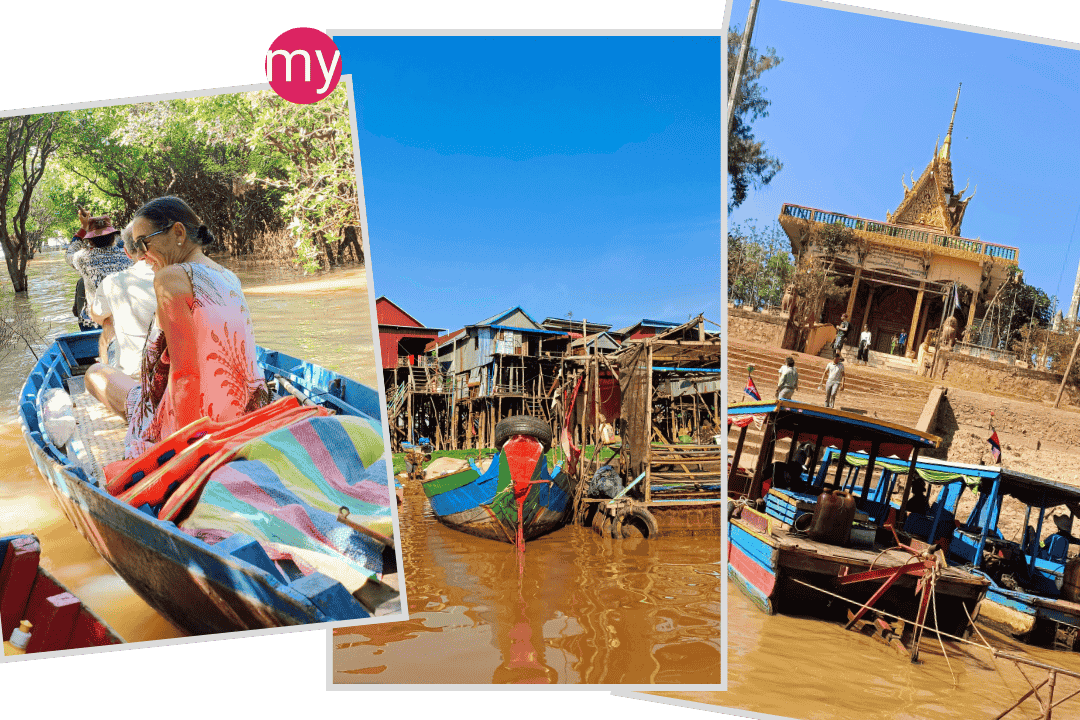
After two days focused on ancient history, Day 3 shows you present-day Cambodia. The Siem Reap Floating Village Tour takes you to Kampong Phluk on Tonle Sap Lake, where entire communities live on stilted houses 6-8 meters above the ground.
1:40pm to 2:00pm: Hotel pickup. Afternoon departure means you can sleep in again, have a long lunch, and not feel rushed.
2:30pm: Stop at a local market or pagoda for photos. Your guide explains what’s being sold (fish paste, palm sugar, dried shrimp) and why (these are staples in Khmer cooking). You’re not just taking photos, you’re learning what daily life actually looks like.
3:00pm: Arrive at Kampong Phluk boat station, 30 kilometers south of Siem Reap. Board a motorized longboat. The village stretches in front of you: wooden houses on impossibly tall stilts, connected by wooden walkways, surrounded by water (wet season) or exposed mudflats (dry season).
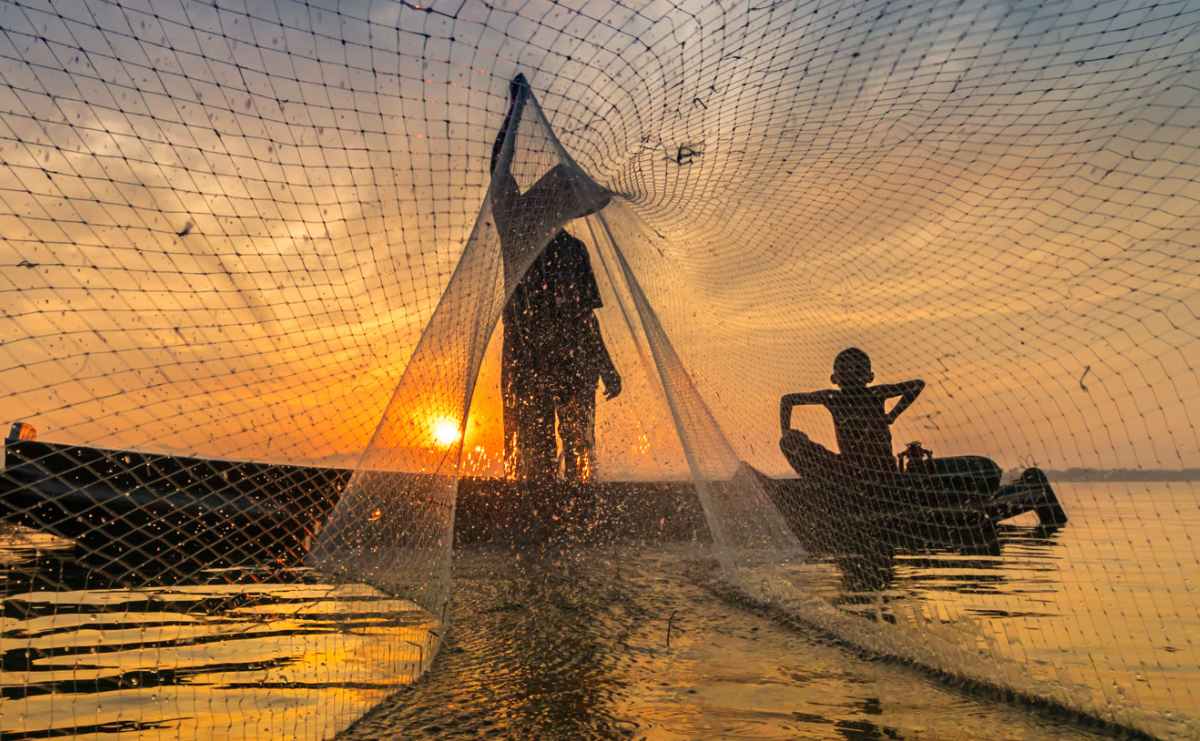
3:30pm to 5:00pm: Boat through the village. Houses, schools, churches, shops, all on stilts. Kids paddle by in canoes. Fishermen check their nets. Crocodile farms float next to family homes. Your guide explains how the community adapts to 8-meter water level changes between wet and dry season. During wet season (June to November), the whole village is surrounded by flooded forest. During dry season, you can walk underneath the houses and see the massive support beams.
4:30pm: Switch to a small local boat for the mangrove forest tour. Narrow channels through flooded trees. Birds everywhere. Silence except for water and wind. This is the Cambodia you don’t see in temple guides.
5:30pm: Return to the main village. Watch the sunset over Tonle Sap Lake. The water turns gold, then pink, then purple. Fishing boats head home. The whole lake seems to glow.
6:30pm to 7:00pm: Drive back to Siem Reap. Your guide points out rice paddies, farms, rural villages along the way. This is the countryside most tourists never see.
7:30pm: Drop-off at your hotel. Dinner options near your hotel or Pub Street if you want the backpacker vibe.
This is what other temples should I visit after Angkor Wat misses: the human side of Cambodia. The temples are spectacular, but 80 percent of Cambodians are farmers or fishermen living in rural areas just like this. Understanding that context makes the temples mean more.
| Time | Experience | What You Learn |
|---|---|---|
| 2:30pm | Local market visit | What Cambodians actually eat and buy |
| 3:00pm-5:00pm | Stilted village boat tour | How communities adapt to extreme conditions |
| 4:30pm | Mangrove forest exploration | Ecological importance of wetlands |
| 5:30pm-6:00pm | Sunset over Tonle Sap | Southeast Asia’s largest freshwater lake |
Alternative Day 3: Sightseeing Siem Reap (Cultural Mix)
If you want more variety and less water, swap the floating village for the Sightseeing Siem Reap tour instead.
Duration: 6 hours (1:00pm or 1:30pm start depending on season)
Cost: $116 USD for 2 people ($58 per person), scales down to $28 per person for groups of 6
What’s included: Private guide, tuk-tuk, APOPO Center entry ($10 value), snacks, choice of beer or soft drink at sunset
This tour covers five completely different experiences in one afternoon:
1:00pm or 1:30pm: Hotel pickup by tuk-tuk (open-air, authentic, perfect for photos)
2:00pm: APOPO Visitor Center where trained rats detect landmines. You’ll watch them work, learn about Cambodia’s ongoing demining efforts, and hold a HeroRAT (yes, really). These rodents have cleared over 13 million square meters of Cambodian land. Kids under 10 get free entry.
3:00pm (Optional): Wat Thmey Pagoda, a Khmer Rouge memorial with bones and skulls preserved in a glass stupa. Heavy stuff, but important if you want to understand modern Cambodia. $3 entry paid directly if you choose to visit.
4:00pm: Royal Residence area with the Preah Ang Chek Preah Ang Chorm shrine, sacred statues that Cambodians travel hours to see. Then at dusk, watch thousands of bats erupt from the Royal Gardens trees. The sky turns black with wings. Nature’s daily migration show.
5:00pm: Wat Damnak Monastery, a working Buddhist temple where monks go about their actual daily routines. Not staged for tourists, just authentic spiritual life.
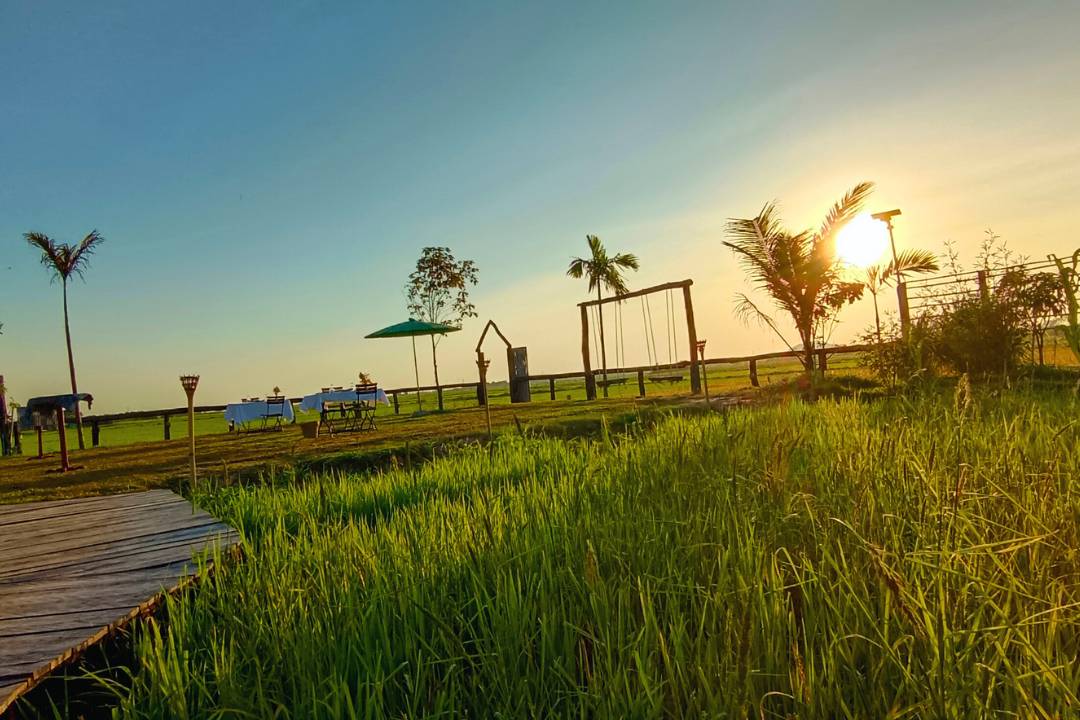
6:00pm: Baitang countryside for sunset over emerald rice paddies. Cold beer or soft drink included, plus local snacks. This is the Cambodia you see in travel documentaries, minus the crowds.
7:00pm to 7:20pm: Back in Siem Reap, evening free for dinner.
This alternative gives you landmine-detecting rats, sacred shrines, bat migrations, working monasteries, and countryside sunsets all in one afternoon. Completely different vibe from temples or floating villages, but equally authentic.
Why This 3-Day Itinerary Works for Slow Travel
No brutal early mornings: Both Day 1 and Day 3 start after 1:00pm (except the temple day which starts at a civilized 8:30am). You’re not dragging yourself out of bed at 4:30am every single day.
Built-in rest: Day 2 is open for recovery, exploration, or whatever you feel like doing. Slow travel means not scheduling every minute.
Different perspectives: Temples (Day 1), rest (Day 2), modern Cambodia (Day 3). You see ancient history, present-day resilience, and rural life that feeds the country.
Private experiences: All three tours are private. No rushing to keep up with a bus group. No waiting for 12 other people to finish their bathroom break. Just you, your guide, and the flexibility to spend extra time wherever you want.
Afternoon focus: Two of the three days start after lunch. You avoid the hottest part of the day and hit every location at golden hour when the light is perfect.
Local guides: Every tour includes an English-speaking Cambodian guide who actually knows the stories behind what you’re seeing. Not some script memorized phonetically.
This is how you answer what other temples should I visit after Angkor Wat in a way that doesn’t burn you out or leave you with 400 photos of sandstone corridors that all look the same.
Three days. Three completely different experiences. Zero regrets.

Total Cost Breakdown for This Slow Travel 3-Day Itinerary:
For a couple (2 people):
- Day 1 Angkor Wat Sunset Tour: $155 USD
- Day 2 Rest/free day: $0-50 USD (optional museum, massage, meals)
- Day 3 Floating Village Tour: $178 USD
Total: $333-383 USD for two people ($166-$191 per person)
Or if you choose the Alternative Day 3:
- Day 1 Angkor Wat Sunset Tour: $155 USD
- Day 2 Rest/free day: $0-50 USD
- Day 3 Sightseeing Siem Reap: $116 USD
Total: $271-321 USD for two people ($135-$160 per person)
Plus your Angkor Pass if you haven’t already bought it ($37 for 1-day or $62 for 3-day pass from https://www.angkorenterprise.gov.kh/en).
Your Three Days Start Now
Most travelers leave Siem Reap with 400 temple photos that look identical and zero understanding of what they actually saw. You’re going to leave with monk blessings tied around your wrist, stories from fishermen who live 8 meters above water, and memories of sunsets over rice paddies where real Cambodia happens.
Book the Angkor Wat Sunset Tour for Day 1. Take Day 2 off to recover like a human being. Choose either the Floating Village Tour or the Sightseeing Siem Reap tour for Day 3 depending on whether you want water or rats that detect landmines.
Three days. Private guides who know the stories behind the stones. No 4:30am alarms. No bus groups. Just Cambodia the way it deserves to be experienced.
Stop racing. Start understanding.
Brought to you by Dan and Mat, Your tour planners.
Featured
Explore more on My Siem Reap Tours
Koh Ker and Beng Mealea guided tour |  Banteay Srei temple guided tour | Angkor Wat Sunrise tour | Private Angkor Wat Sunset Tour | Koh Ker and Beng Mealea guided tour | Morning Siem Reap floating village tour | Afternoon Siem Reap floating village tour | Private Angkor Wat special tour | Kulen Waterfall small group guided Tour | Private Angkor Wat mix temples photo tour Â